
St Kitts and Nevis and Antigua and Barbuda sign visa waivers with Azerbaijan
Both Caribbean states signed agreements in New York covering every passport type, including the ordinary passports held by citizens by investment.
Read
Home / Programs / St Kitts and Nevis
CitizenshipThe longest running citizenship by investment program in the world, established in 1984. Lifetime citizenship for a family of up to four through a single contribution, with no residence requirement at present.
St Kitts and Nevis does not tax personal income, capital gains, inheritance or wealth. Citizenship alone does not make you tax resident there, so these rules only matter if you actually move.
Wages earned locally carry a housing and development levy instead of income tax.
Full tax breakdownVisa free or visa on arrival access to approx. 157 destinations, including the Schengen area, the United Kingdom, Ireland, Singapore and Hong Kong.
Running continuously since 1984 and now administered by a statutory Citizenship Unit, with the most predictable processing of the Caribbean programs: 120 to 180 days to approval in principle.
A US$250,000 contribution covers you alone or with up to three dependants, including children up to 30 in full time education and parents from 55.
Full citizenship that passes to your children, with dual citizenship allowed, so you keep the passport you already hold.
Unlike Antigua and Dominica, St Kitts and Nevis was not listed in the US restrictions on visitor visas that took effect in January 2026.
There is no minimum stay before or after citizenship at present. A genuine link requirement has been announced, but no number or start date has been set.
The Sustainable Island State Contribution (SISC) and the Public Benefit Option both cost US$250,000 for up to four people. The money is a contribution to the state, not an investment, so it is not returned, but there is no asset to hold or sell.
From US$325,000 in an approved development, plus post approval government fees. You own a property, which you can sell after seven years, though prices in approved projects are set for this market and rarely resell at cost.
Either way, the result is the same: full citizenship for life for everyone on the application, a passport with approx. 157 visa free destinations, and nothing to renew except the passport.
Time to passport: Approx. 5 to 8 months
Time to passport: Approx. 6 to 9 months
| Pathway | Minimum investment | Approval | What you get | Time to passport | Presence |
|---|---|---|---|---|---|
| Contribution (SISC or Public Benefit Option) | US$250,000 | 4 to 6 months | Citizenship for life | Approx. 5 to 8 months | None in force; genuine link rule announced, no date |
| Approved real estate | US$325,000 | 4 to 6 months | Citizenship for life | Approx. 6 to 9 months | None in force; property held 7 years |
Times run from filing to passport. Biometric enrolment has been mandatory since April 2026.
Each option below qualifies on its own. We help you pick the one that suits your money and your plans.
Paid after approval in principle. Since 1 August 2026 the contribution matches the Sustainable Island State Contribution, at US$250,000 for a family of up to four.
A contribution to the Federal Consolidated Fund, paid within 90 days of approval in principle, for a family of up to four.
A condominium or share in an approved development from US$325,000, or a private home from US$600,000, held for seven years. Post approval government fees apply on top, and we include them in your fixed quote.
Beyond the contribution or property, the government charges due diligence, biometric enrolment and passport fees, and the real estate route adds post approval fees and purchase costs. Every situation is different, so we quote everything as one custom fixed fee in writing after a free call.
We assist you in obtaining each document, then have it apostilled (certified with an international stamp so it is valid abroad), translated and filed for you.
A spouse, children under 18, children aged 18 to 30 in full time education whom you fully support, adult children with a disability who live with you, and parents of you or your spouse aged 55 or over who live with you and depend on you. Siblings cannot be included.
The headline rates for people who are tax residents there. Holding a residency or passport does not by itself make you a tax resident, and your current country may still tax you, so the licensed tax advisers in our local team confirm your position.
We check your nationality, family and source of funds against the current rules and confirm the full cost for your family. We then assist you in obtaining the relevant documents and having them apostilled and translated.
Our local team files the application with the Citizenship Unit, together with the due diligence fees.
The main applicant sits a short interview, usually online, and every applicant enrols biometrics at an approved centre.
The Citizenship Unit aims to decide within 120 to 180 days. Only after approval in principle do you pay the contribution or complete the property purchase.
Citizenship is granted by certificate of registration and passports are issued, with nothing further to renew except the passport itself.
Our local team stays with you once you are approved and takes care of the practical steps, then keeps everything current and compliant.
Yes, it is one of the strongest. You get full citizenship for life, a passport with visa free access to approx. 157 destinations including the Schengen area and the UK, and no obligation to live there. The two caveats are cost, as it is the most expensive Caribbean program for a single applicant, and the fact that travel access is set by other governments and can change, as the EU review shows.
Only if you genuinely move there. St Kitts and Nevis has no personal income tax, but holding its passport does not make you tax resident and does not end your tax residency at home. For most clients it is a passport and a safety net rather than a tax base. If a new tax residency is the goal, book a free call and we will look at where you would actually live.
Not as the home for your companies and banking. Local banks are small and international banking from the islands is limited, so we usually set up your company and banking elsewhere, such as a US LLC, a UK company, an Estonian company or a UAE structure, depending on your situation. Some banks also ask extra questions about citizenship by investment passports, so we recommend keeping your original passport for banking.
Usually not. The minimum is US$250,000 that you do not get back, which is capital most early stage founders need in their business. A residency program, such as Paraguay, costs a fraction of that and can still give you a second base. St Kitts makes more sense once the business is established and a strong second passport is worth the price.
No. There is no minimum stay before or after citizenship today, and the interview is usually held online. The Citizenship Unit has named a genuine link and physical presence requirement as a priority for 2026, and the regional standard is 30 days within five years, but St Kitts has not set a number or a start date. In September 2026 the Unit said regional rules apply only once the regional regulator is operating and member states agree a start date.
Approx. 157 destinations on the 2026 Henley Passport Index, including the Schengen area, the United Kingdom, Ireland, Singapore and Hong Kong. You still need visas for the United States, Canada and Australia. The UK requires its electronic travel authorisation, but not a visa.
Yes, at the consul's discretion, as for any nationality. St Kitts and Nevis was not named in the December 2025 proclamation that suspended visitor visas for Antigua and Dominica. It is included in the separate January 2026 pause on US immigrant visas, which affects green card applications only.
Today the passport travels visa free to the Schengen area. The risk is real, though: since 30 December 2025 an EU regulation, 2025/2441, lets the EU suspend visa free travel for any country that sells citizenship without a genuine link, for 12 months at a time and possibly only for certain passports. A European Commission report in December 2025 named all five Caribbean programs, and Caribbean governments have reported a request to phase the programs out by June 2028, a date the Commission has not published. No suspension has been decided. If Schengen travel is your main reason for buying, we talk that risk through with you first.
In September 2025 Antigua and Barbuda, Dominica, Grenada, St Kitts and Nevis and Saint Lucia signed an agreement creating ECCIRA, the Eastern Caribbean Citizenship by Investment Regulatory Authority. It will set common due diligence standards, license agents and developers, keep a shared register of refused applicants, and enforce a regional minimum price of US$200,000. Each country has passed the law, but the authority has not yet started operating, and the shared rules, including the 30 day presence standard, apply only once it does and the member states agree a start date.
St Kitts and Nevis allows dual citizenship, so it does not ask you to give up your existing nationality. Whether your current country allows a second citizenship is a separate question we check for you at the start.
A spouse, children under 18, children aged 18 to 30 in full time education whom you support, adult children with a disability, and parents aged 55 or over who live with you and depend on you. A child must be included before their 30th birthday, so if a child is close to that age, apply early. Siblings are not eligible.
The Citizenship Unit targets 120 to 180 days to approval in principle, and agents reported an average of about five months in late 2025, the fastest of the Caribbean programs. Allow a month or two more for payment, the certificate and passports. Incomplete source of funds evidence is the most common cause of delay, which is why we build that file first.
Citizenship is for life, but it can be revoked if it was obtained through false information or fraud. Only the passport expires and needs renewing. Since April 2026 biometric enrolment is mandatory for new applicants, and existing citizens must enrol by 31 July 2027, after which only biometric passports are accepted for travel.
Laws and fees change, so we confirm every number before you commit.

Both Caribbean states signed agreements in New York covering every passport type, including the ordinary passports held by citizens by investment.
Read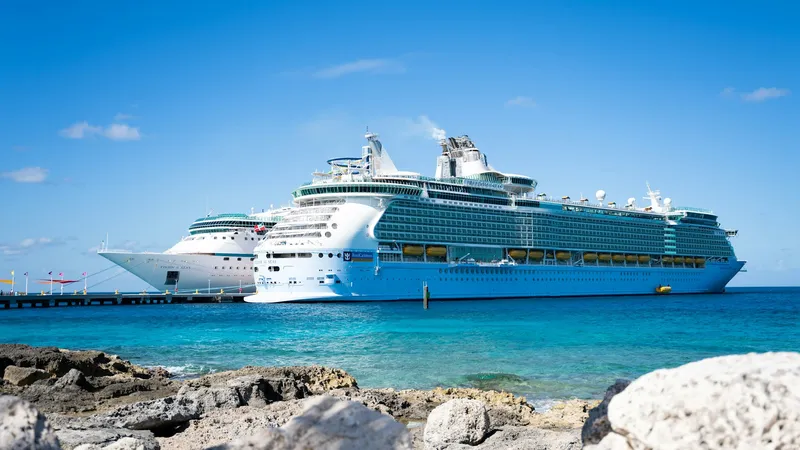
The island counted 1,002,282 cruise visitors by August 20, and from November 2027 P&O Cruises plans to start and end Caribbean voyages in Basseterre, backed by a new terminal now under construction.
Read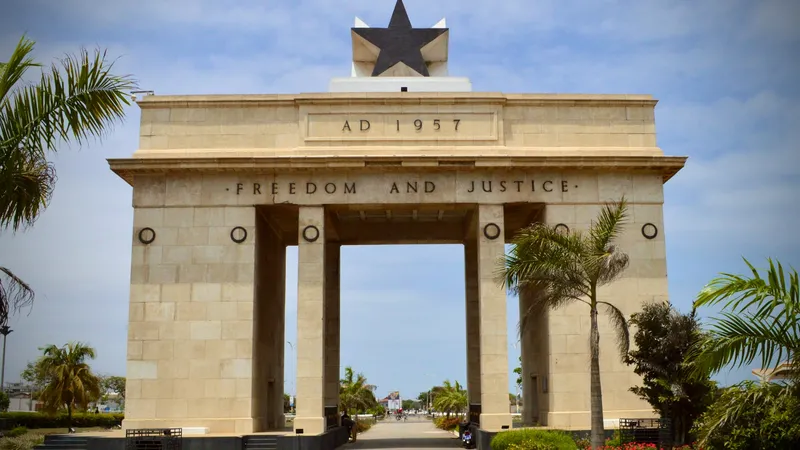
Signed in Accra during Prime Minister Terrance Drew’s visit, the agreement extends a 2018 waiver for officials to every citizen, including those who became citizens through investment.
Read
The world’s oldest citizenship by investment program says future applicants will need a genuine link to the federation, including time spent there, plus biometric checks. The details are not yet published.
Read
Antigua and Barbuda, Dominica, Grenada, St Kitts and Nevis and St Lucia have signed the treaty for ECCIRA, a regional authority that will set binding rules for all five citizenship by investment programs.
Read
From May 1, 2025, holders of ordinary St Kitts and Nevis passports need a visa to enter Turkey. The decision gives no reason, but it lands as scrutiny of citizenship by investment grows.
Read
Four Eastern Caribbean governments have signed an agreement to raise and align the minimum price of citizenship by investment at US$200,000 by June 30, 2024, alongside shared vetting and a regional regulator.
ReadTell us a little about yourself and we will review whether St Kitts and Nevis Citizenship suits you, what it would cost in total and how long it would take. No cost and no obligation.
Prefer to talk? Book a free 15 minute call.