
Paraguay’s power play: cheap hydro and the AI race
Paraguay produces far more clean electricity than it uses. Bitcoin miners found it first. Now the AI industry is arriving, and the government wants a seat at the table.
Read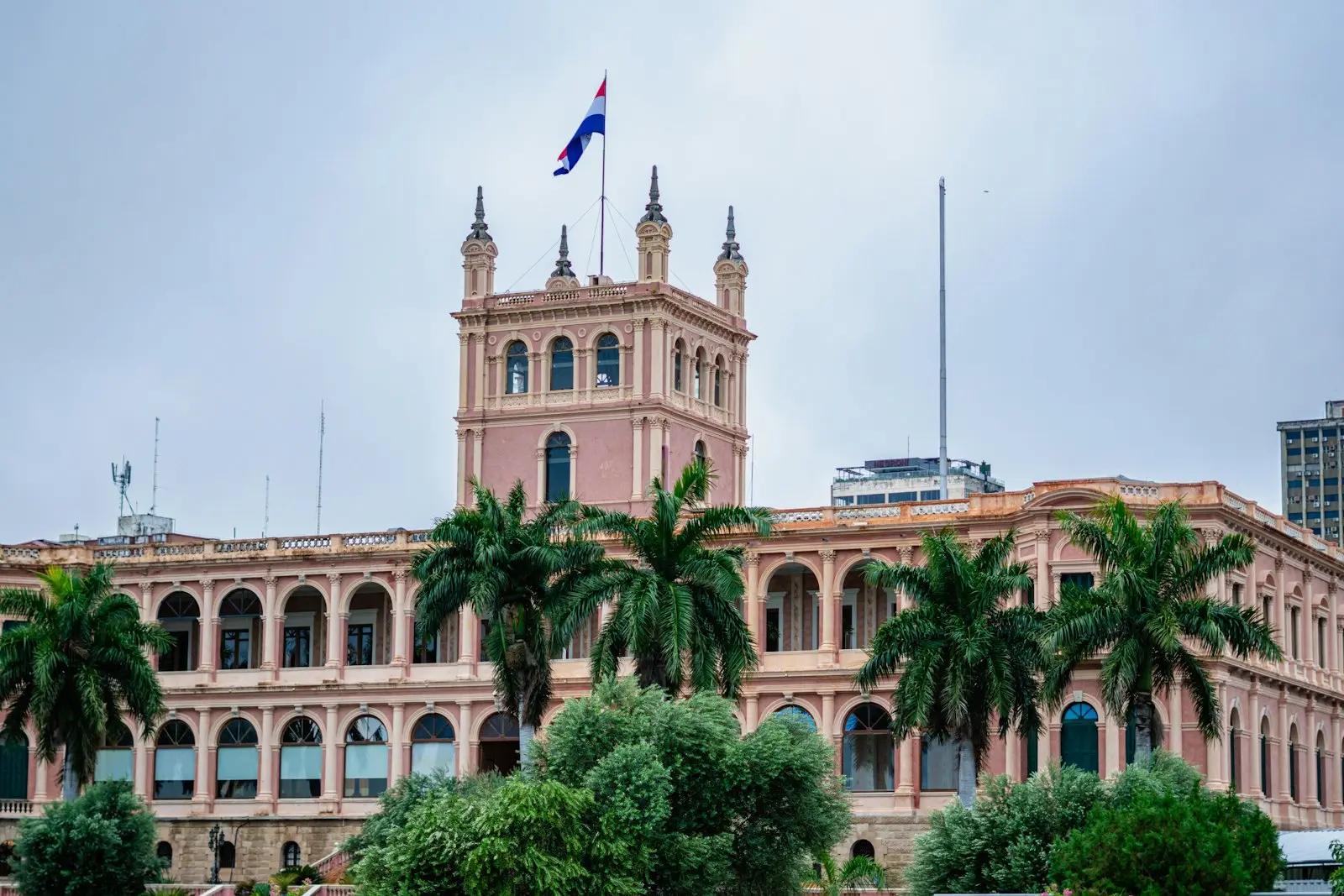
Two ways in: temporary residency with no investment, upgraded to permanent later, or permanent residency straight away through the Investor Pass. A territorial tax system and a low cost of living, handled end to end by our local team.
Paraguay only taxes income earned inside Paraguay. Money you earn abroad, from a business, investments or remote work, is generally not taxed in Paraguay at all.
Income earned in Paraguay is taxed at some of the lowest rates in the region.
Full tax breakdownHousing, food, help at home and everyday services cost a fraction of what they do in North America, Europe or Australia.
Landlocked in the heart of South America, Paraguay sits far from today’s geopolitical flashpoints.
A calm, family oriented culture that is open to foreigners, and safer than much of Latin America.
Nearly all its electricity is clean hydropower from the Itaipú and Yacyretá dams, it is a major exporter of beef and soy, and it sits on the Guaraní Aquifer, one of the largest freshwater reserves on earth.
Start with temporary residency and no investment, or go straight to permanent residency as an investor. Citizenship is possible after three years as a permanent resident.
Steady growth, low public debt and an investment grade credit rating since 2024 make it one of the most stable economies in the region.
Your first status, valid for up to two years. You can live and work in Paraguay, get your cédula (national ID) and open bank accounts. It needs no investment, but you must upgrade it before it expires, and an absence of more than a year can cancel it.
The long term status. You can live and work in Paraguay indefinitely, with far looser presence rules, and the years you hold it count toward citizenship, which you can apply for after three years.
Temporary residency is the way in and has to be upgraded. Permanent residency is the one you keep, and the one that leads to a passport. These timings reflect the current rules, and the temporary period could be lengthened in future, so for anyone who wants to secure permanent residency now, we recommend going straight to it through the Investor Pass.
Time until you can apply for citizenship: Approx. 5.5 to 6 years
Time until you can apply for citizenship: Approx. 3 years and 3 months
Time until you can apply for citizenship: Approx. 3 years and 3 months
| Pathway | Minimum investment | Approval | What you get | Time to passport eligibility | Presence |
|---|---|---|---|---|---|
| Temporary residency | None | 6 to 9 months | Temporary residency, 2 years | Approx. 5.5 to 6 years | Visit to apply; no absence over 1 year |
| Investor Pass, business or tourism | US$70,000 business; US$150,000 tourism | Approx. 3 months | Permanent residency | Approx. 3 years and 3 months | One visit every 3 years; more for citizenship |
| Investor Pass, property or financial | US$200,000 | Approx. 3 months | Permanent residency | Approx. 3 years and 3 months | One visit every 3 years; more for citizenship |
The line under each pathway runs from filing until you can apply for citizenship.
Each option below qualifies on its own. We help you pick the one that suits your money and your plans.
Up to two years. No investment, deposit or income proof at this stage. You build the activity that will support your permanent application.
Direct permanent residency with a business plan and at least five formal jobs.
Direct permanent residency with a business plan and half yearly progress reports.
Direct permanent residency. The property must be an investment, not a home for you or your family, and financial instruments must be held for at least two years with a yearly report.
Government fees in Paraguay are modest. Starting with temporary residency usually costs less, because the application needs fewer documents. Going straight to permanent residency through the Investor Pass means preparing extra documentation up front, such as proof of the investment and, for some routes, a business plan. Every situation is different and the documents required vary from person to person, so we quote one fixed fee in writing after a free call.
We assist you in obtaining each document, then have it apostilled (certified with an international stamp so it is valid abroad), translated and filed for you.
A spouse and children can obtain residency alongside the main applicant. Each family member has their own file, and we prepare them together.
The headline rates for people who are tax residents there. Holding a residency or passport does not by itself make you a tax resident, and your current country may still tax you, so the licensed tax advisers in our local team confirm your position.
We confirm the right route, then assist you in obtaining the relevant documents and having them apostilled and translated.
Our local team meets you, takes you through the local certificates and files the application with the National Directorate of Migration.
Your residency is granted: temporary, or permanent straight away through the Investor Pass. We then handle your cédula, the Paraguayan identity card, and the practical steps that follow.
On the temporary route, we prepare your permanent application near the end of the two years, with the proof of support it now requires. Investor Pass clients are already permanent.
Our local team stays with you once you are approved and takes care of the practical steps, then keeps everything current and compliant.
Temporary residency is your first status, valid for up to two years. You can live and work in Paraguay, get your cédula and open bank accounts, but it must be upgraded before it expires, and an absence of more than a year can cancel it. Permanent residency is the long term status: you can live and work in Paraguay indefinitely, the presence rules are far looser, and the years you hold it count toward citizenship. On the temporary route you start temporary and upgrade later; investors go straight to permanent.
The rules can change, and the path from temporary to permanent residency has already become harder. Since 2026, upgrading requires genuine ties to Paraguay, such as a declared activity and tax filings that support it; simply turning up is no longer enough. The temporary period could also be made longer than two years in future. Going straight to permanent through the Investor Pass also shortens the road to citizenship to a little over three years, compared with about six on the temporary route. These timings are approximate. If you already plan to build genuine ties with Paraguay and have the funds, we recommend going direct to permanent while the door is open.
Investors receive an investor certificate from SUACE, the government office that handles foreign investment, and that certificate requires the migration authority to fast track the application. So the Investor Pass is not only direct to permanent residency, it is usually much faster as well.
It is one of the best Plan B options available. The bar to entry is low: temporary residency needs no investment, so the main costs are modest government fees and our fixed fee, far less than most programs. You only need to visit once every 12 months while temporary, then once every 3 years as a permanent resident, and the ongoing obligations are light. If you ever decide to leave your home country, you are already established somewhere, with residency, a Paraguayan ID card and a bank account ready to use. A home away from home that costs little to set up or to keep.
Yes. Paraguay taxes only income earned inside the country, at a maximum of 10%, and it sets no minimum number of days to become a tax resident, so even a short visit each year can be enough. The harder part is ceasing to be a tax resident of your home country, which usually means building genuine ties to Paraguay and spending real time there. It is complicated and depends on your nationality and circumstances, so book a free call and we can talk through yours.
Not as the home for your companies and banking. Paraguayan banking is underdeveloped for international business, so while you hold residency in Paraguay, we usually set up your company and banking elsewhere, such as a US LLC, a UK company or an Estonian company, depending on your situation.
Yes, it is one of the best fits. Residency costs little, taxes are very low, and there is no minimum stay to become a tax resident: in principle, one visit a year can be enough. Whether your home country accepts that you have left is more complicated and depends on where you are from, so we look at that with you on a free call.
No. You need to visit to apply. During temporary residency, visit at least once every 12 months, because an absence of more than a year can cancel it. Once you are a permanent resident, you only need to visit once every 3 years.
After three years of permanent residency, subject to the requirements in force at the time, including a demonstrated connection to the country.
No. Our team handles everything for you, including all translations, and our local team in Paraguay speaks English. They take you to the relevant government offices and explain each step as you go. Day to day, though, English is not widely spoken in Paraguay, so if you plan to live there long term we recommend learning some Spanish. It is one of the easiest languages for native English speakers, and there are plenty of apps and courses to help. Many expats live there happily without speaking Spanish, and there is a large expat community, so it is a recommendation rather than a requirement.
Yes. The deposit route that led straight to permanent residency ended in October 2022, when Paraguay’s new migration law, Law 6984/2022, replaced the old one. Today the standard temporary route and the Investor Pass take its place.
Laws and fees change, so we confirm every number before you commit.

Paraguay produces far more clean electricity than it uses. Bitcoin miners found it first. Now the AI industry is arriving, and the government wants a seat at the table.
Read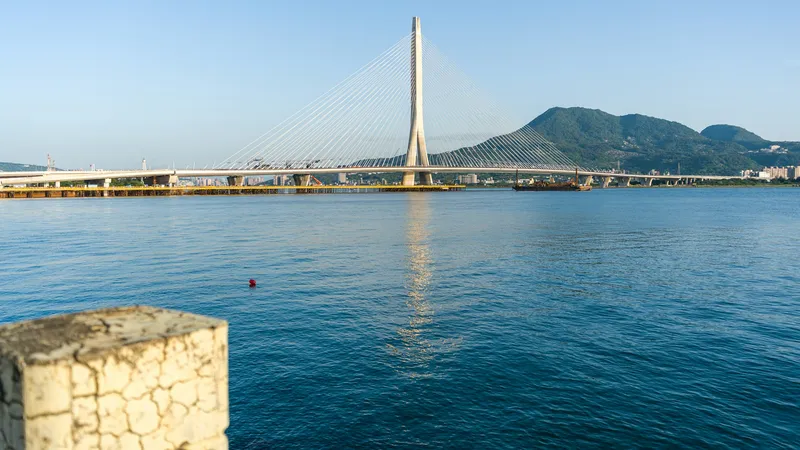
The final concrete segment of the bridge between Carmelo Peralta and Porto Murtinho was poured on July 15, closing the last gap in a road meant to link Brazil’s farm belt to Chile’s Pacific ports through the Paraguayan Chaco.
Read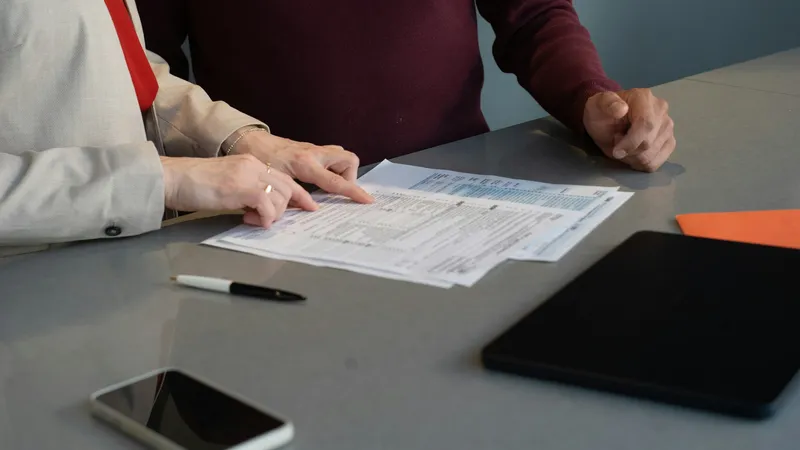
From July 6, 2026, Resolution 407 requires anyone converting temporary residency to permanent in Paraguay to prove lawful, active means of support under one of twelve categories. Temporary residency is unchanged.
Read
From May 1, 2026, the trade agreement between the European Union and Mercosur applies provisionally, ending tariffs on most goods between the two blocs. What Mercosur is, and what the deal opens for Paraguay.
Read
Paraguay’s chamber of real estate developers has warned about new foreign developers without solvency after complaints over unfinished towers. A practical guide to vetting a project before paying a deposit.
Read
Resolution 0283 of April 2026 sets four investment routes to permanent residency, from a US$70,000 productive business to US$200,000 in property or securities, with the investor certificate issued in five business days.
Read
Since the 2019 reform, Law 6380, Paraguay taxes individuals only on income earned in the country, at 8% to 10%. A guide to IRP, IRE, IDU and VAT, and what each acronym means.
Read
A roughly US$450 million electric line from Asunción to Luque, later reaching Ypacaraí, is back on the table with UAE backing. Which areas stand to gain, and why the timeline deserves caution.
Read
From January 14, 2026, Paraguay’s new Registro Unificado Nacional brings land titles, the cadastre and official surveys under one roof. What it changes for anyone checking title and boundaries.
Read
FIFA’s member associations approved the 2030 World Cup on December 11: Spain, Portugal and Morocco will host, with three centenary matches in Uruguay, Argentina and Paraguay. Asunción gets its first World Cup game.
Read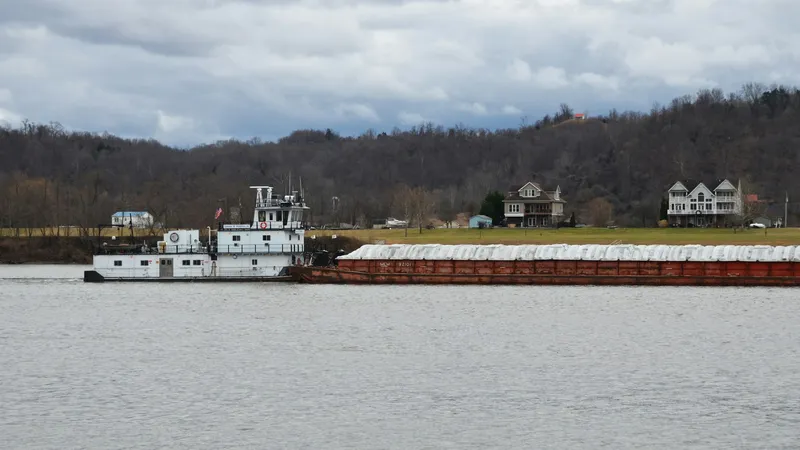
Paraguay has no coastline, yet its river fleet is reported to be the third largest in the world after the United States and China, carrying around 80% of the country’s foreign trade down the Paraguay and Paraná rivers.
Read
On July 26 Moody’s lifted Paraguay’s rating to Baa3, the first rung of investment grade, citing steady growth, a more diversified economy and years of institutional reform. Here is what that means in plain terms.
Read
After months of talks, the two owners of the Itaipú dam agreed a tariff of US$19.28 per kilowatt a month for 2024 to 2026, new rights for Paraguay to sell its power in Brazil, and a deadline to rewrite the dam’s financial rules.
Read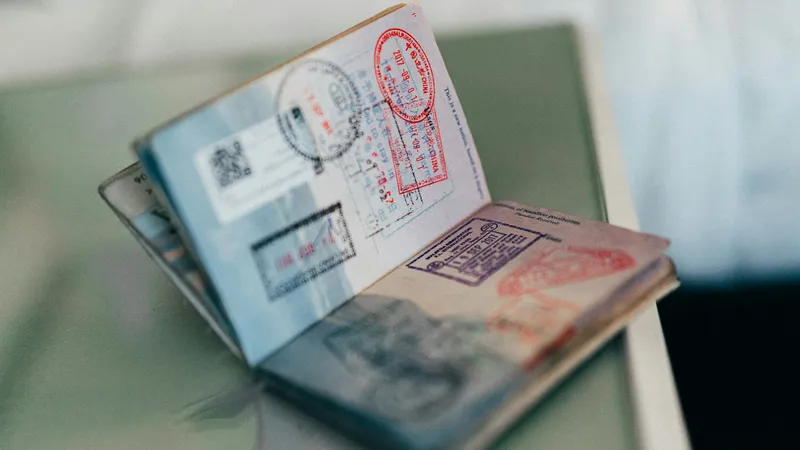
Law 6984 of 2022 replaces a migration law from 1996. Temporary residency now lasts up to two years, temporary residents can get a Paraguayan identity card, and clear absence rules apply.
Read
Paraguay’s new Migration Law, in force from October 18, 2022, repeals the rules that let foreigners obtain permanent residency with a bank deposit of about US$5,000. Most applicants now start with temporary residency.
ReadTell us a little about yourself and we will review whether Paraguay Residency suits you, what it would cost in total and how long it would take. No cost and no obligation.
Prefer to talk? Book a free 15 minute call.