
Paraguay’s power play: cheap hydro and the AI race
Paraguay produces far more clean electricity than it uses. Bitcoin miners found it first. Now the AI industry is arriving, and the government wants a seat at the table.
Read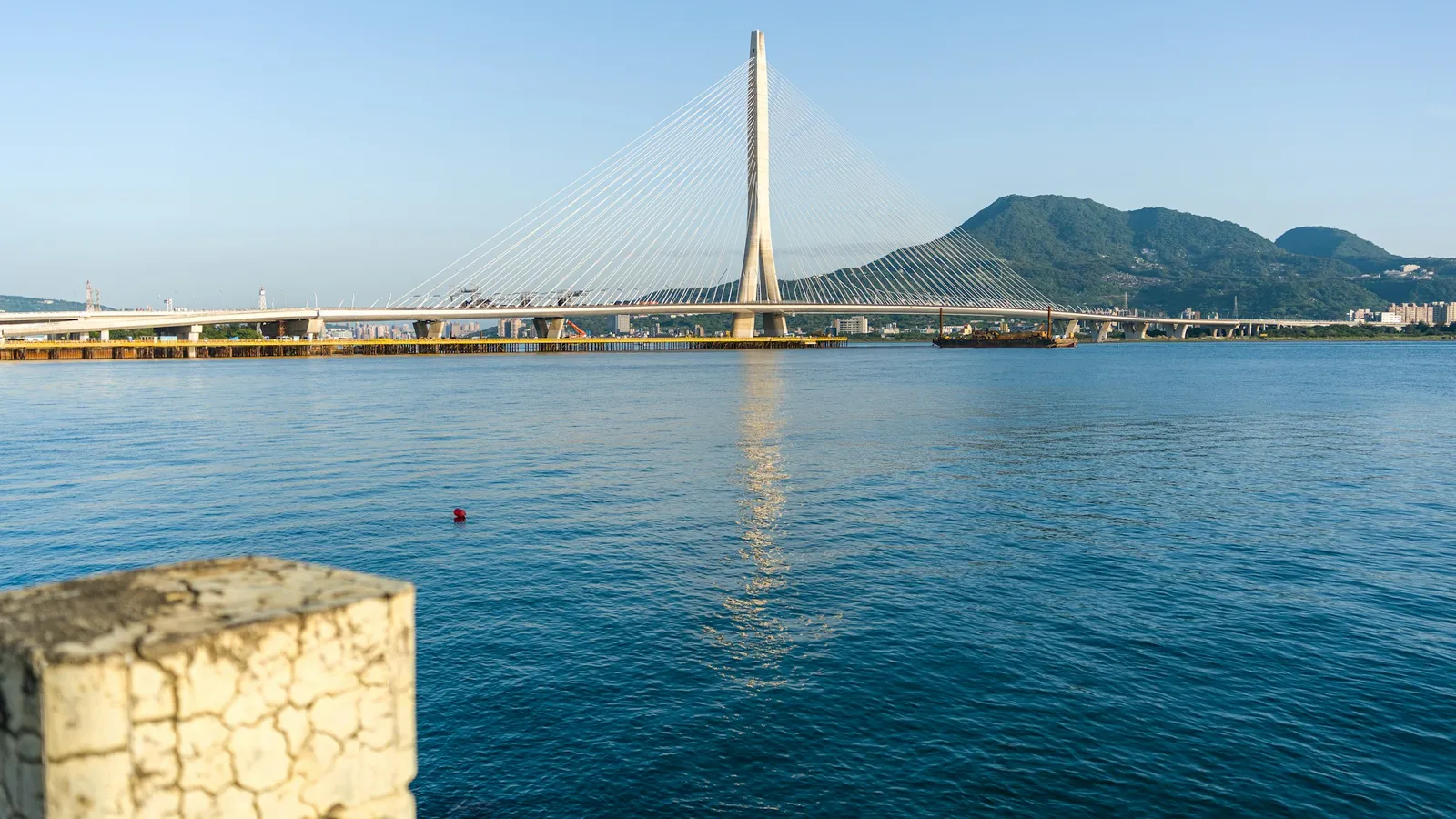
The final concrete segment of the bridge between Carmelo Peralta and Porto Murtinho was poured on July 15, closing the last gap in a road meant to link Brazil’s farm belt to Chile’s Pacific ports through the Paraguayan Chaco.
At around ten o'clock on the night of Wednesday, July 15, 2026, engineers poured the last segment of concrete on a new bridge over the Paraguay River. The two halves, one built out from Carmelo Peralta in Paraguay and the other from Porto Murtinho in Brazil, are now a single structure. The closure came roughly four years after crews first cleared the site.
The bridge is the missing physical link in the Corredor Vial Bioceánico, the Bioceanic Road Corridor: a highway route designed to connect Brazil's Atlantic side to Chile's Pacific ports by crossing Paraguay and northern Argentina. Paraguay's public works ministry was careful to note that joining the two sides does not yet open the crossing. Paving, finishing work and access roads still have to be completed.
According to the Ministerio de Obras Públicas y Comunicaciones (MOPC), Paraguay's ministry of public works, the bridge is 1,294 metres long. It is a cable stayed design, meaning the deck hangs from steel cables anchored to tall towers rather than resting on many pillars in the river. The cable stayed section measures 632 metres and the central span between the towers is 350 metres, which keeps the river open to large barges. Local press reported towers rising about 125 metres above the deck and around 30 metres of clearance over the water. It will carry four lanes of traffic with shoulders on both sides.
The ministry puts the cost at 684.6 billion guaraníes, about US$103 million. It was paid for from Paraguay's share of the funds of Itaipú Binacional, the company that runs the giant hydroelectric dam Paraguay co owns with Brazil. It was built by Consorcio Binacional PYBRA, a group of Paraguayan and Brazilian contractors (Tecnoedil, Paulitec Construções and Construtora Cidade), and supervised by the engineering firm Prointec.
The idea is simple to describe and slow to build. Goods from central western Brazil, in particular the state of Mato Grosso do Sul with its soy, corn and meat, normally travel east to Atlantic ports such as Santos and then sail to Asia, often via the Panama Canal or around Africa. The corridor offers a road west instead, to ports on Chile's Pacific coast that face Asia directly.
The government of Mato Grosso do Sul describes a route of about 2,396 kilometres from Campo Grande, the state capital, to the Chilean coast:
Chile announced its own action plan in April 2025, including a cargo inspection site near the Jama pass on its border with Argentina.
Inside Paraguay, the corridor follows Ruta PY15. The first 275 km, from Carmelo Peralta to Loma Plata in the central Chaco, was opened in February 2022 at a reported cost of US$445 million. The western stretch of 224 km from Mariscal Estigarribia to Pozo Hondo, on the Argentine border, is being paved in four lots. In April 2026 the MOPC reported embankments on one 59 km lot at 85% and asphalt laying under way on its first sections, with part of the financing coming from Fonplata, a development bank owned by the countries of the River Plate basin.
Public works minister Claudia Centurión has framed the project as a way to grow trade inside South America, which she said still accounts for less than 15% of the region's trade, and to bring the continent closer to Asian markets. An official ceremony to mark the joining of the bridge was being planned for July 23.
For most of its history the Chaco has been remote. A paved road with an international bridge at one end and Pacific ports at the other changes the economics of the whole region:
There are also reasons for patience. The bridge is not yet open, the western section of Ruta PY15 is unfinished, and the corridor only works if four customs systems cooperate at the borders. Brazilian officials have said openly that without integrated customs the route will not be competitive.
Infrastructure like this rarely changes daily life quickly, but it shapes where investment flows over the next decade. Logistics, agribusiness, construction and services in the Chaco and around Asunción are the obvious beneficiaries. For entrepreneurs, Paraguay's investor route can lead straight to permanent residency, and its temporary residency requires no investment at all. We help clients apply and work with our local team on company and tax questions.
This article is general information, not legal, tax or investment advice.
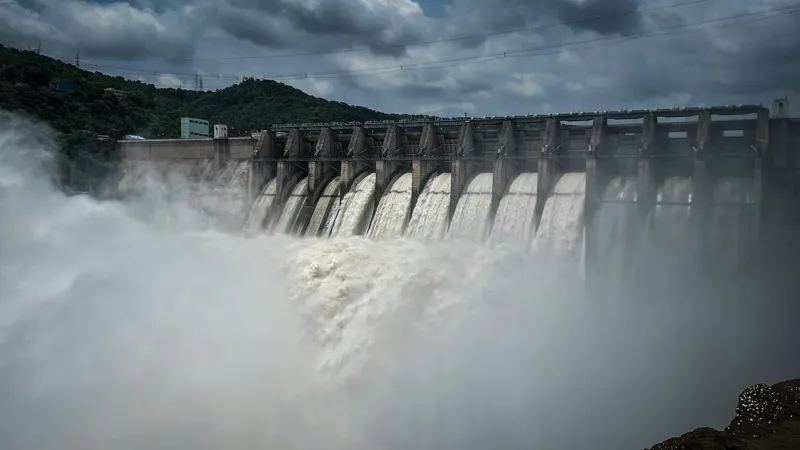
Paraguay produces far more clean electricity than it uses. Bitcoin miners found it first. Now the AI industry is arriving, and the government wants a seat at the table.
Read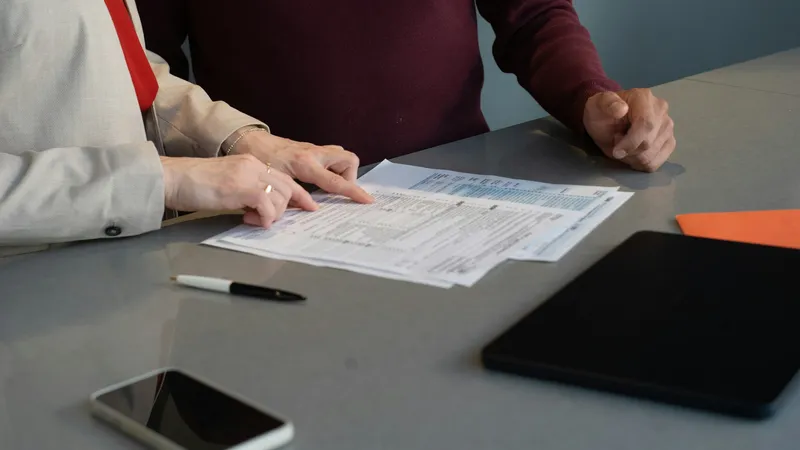
From July 6, 2026, Resolution 407 requires anyone converting temporary residency to permanent in Paraguay to prove lawful, active means of support under one of twelve categories. Temporary residency is unchanged.
Read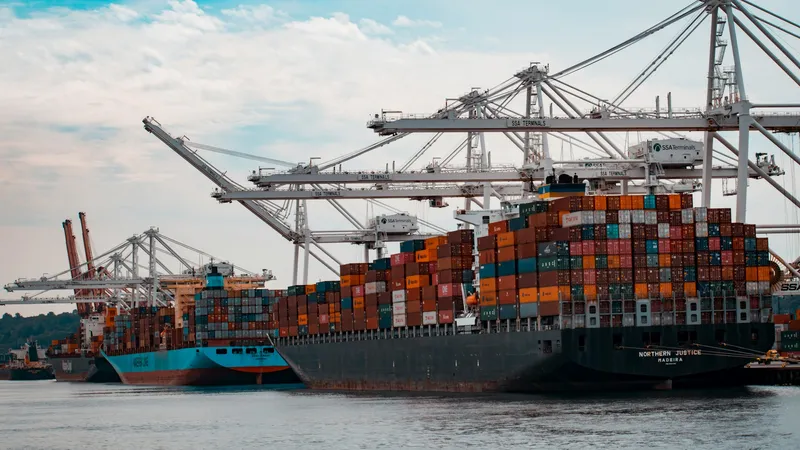
From May 1, 2026, the trade agreement between the European Union and Mercosur applies provisionally, ending tariffs on most goods between the two blocs. What Mercosur is, and what the deal opens for Paraguay.
ReadThis is a big decision, and there is a lot of information to take in. That is why we start with a free 15 minute call: we look at your situation and your goals, then tell you which programs genuinely fit you, and which do not. We never push one program over another. If staying where you are is your best move, we will tell you that and sell you nothing.