
Paraguay’s power play: cheap hydro and the AI race
Paraguay produces far more clean electricity than it uses. Bitcoin miners found it first. Now the AI industry is arriving, and the government wants a seat at the table.
Read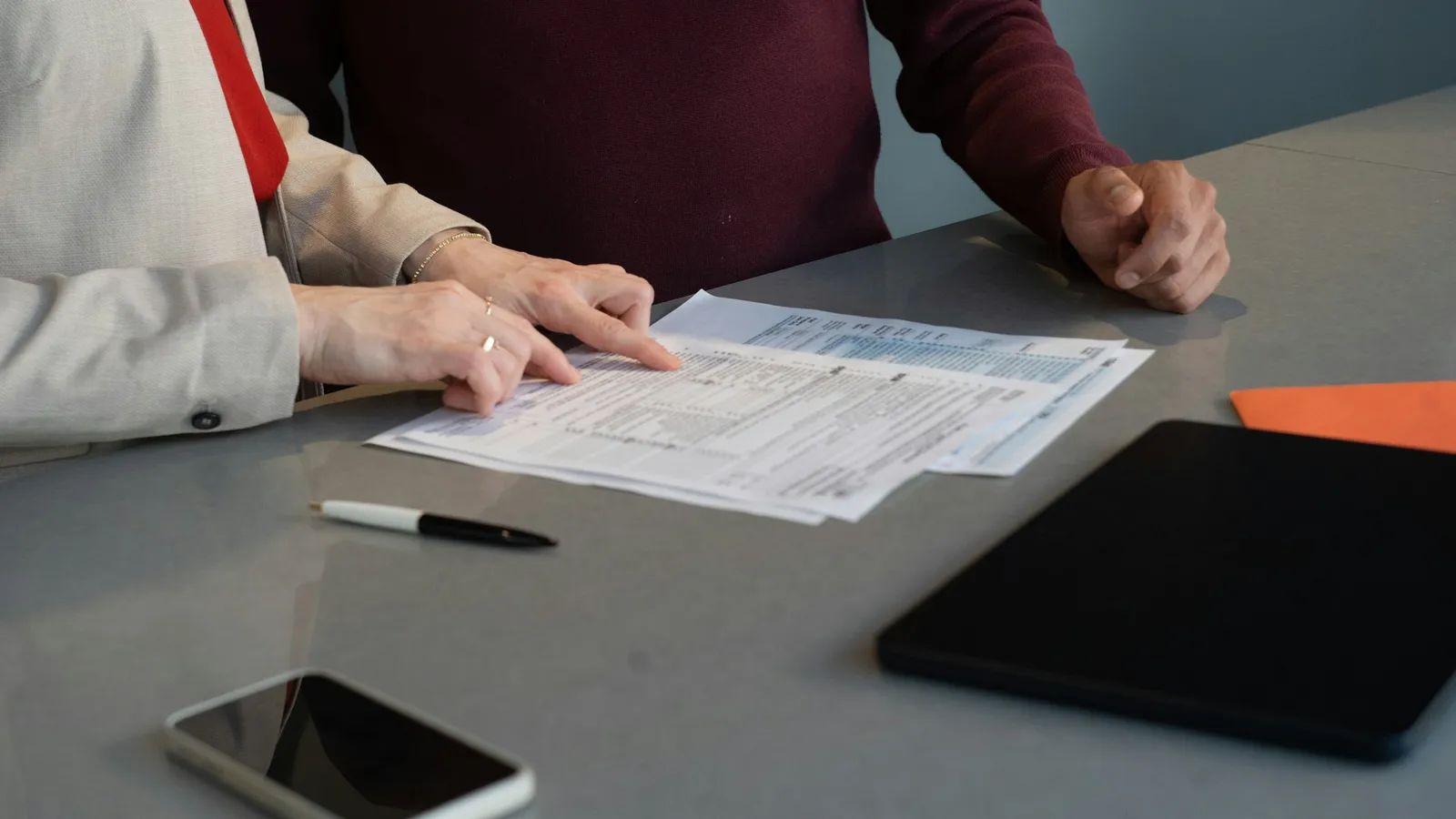
From July 6, 2026, Resolution 407 requires anyone converting temporary residency to permanent in Paraguay to prove lawful, active means of support under one of twelve categories. Temporary residency is unchanged.
Paraguay has kept the first step of its residency process simple, and it still is. What has changed is the second step. Since July 6, 2026, foreigners applying to convert temporary residency into permanent residency must show that they have a lawful, real means of supporting themselves, documented according to the activity they declare.
The rule comes from Resolution 407 of 2026, issued by the National Directorate of Migration, the agency that grants residency in Paraguay. The resolution is dated May 28, 2026, and law firms and trade press report that it applies to applications filed from July 6.
Paraguayan law has long required economic solvency, meaning the ability to support yourself, for permanent residency. Until now the rules on how to prove it were spread across six different instruments and applied unevenly. Resolution 407 brings them into one framework that covers permanent residency under both Law 6984/2022, the general Migration Law, and the Mercosur residence agreement, which gives citizens of South American partner countries a simpler route.
The resolution does not set a minimum income figure. Instead, migration officers check that the documents show genuine, regular activity that matches the profile the applicant declared. A university degree on its own, for example, is no longer enough: a professional must show that the qualification actually produces income.
Applicants prove support under one of twelve categories: professionals, technicians, employees, independent workers in commerce or services, remote workers and digital nomads, property owners, company shareholders or partners, farmers and ranchers, religious workers, retirees and pensioners, dependents, and students. Typical evidence includes:
The rule that an absence of more than one year in a row during temporary residency can cancel it is now being applied strictly at the conversion stage.
Temporary residency, which lasts up to two years, still requires no investment, deposit or proof of income. The resolution applies only at the permanent stage. The investor route is also untouched: holders of a Foreign Investor Certificate under the Investor Pass, created by Resolution 0283 of the Ministry of Industry and Commerce in April 2026, skip temporary residency and apply for permanent residency directly. Its tracks start at US$70,000 for a productive business with at least five formal jobs, US$150,000 for tourism and US$200,000 for real estate or financial instruments.
Applicants now also sign every document as a sworn statement, and migration authorities are introducing automated cross checks. Files with inconsistent or irregular documents can be blocked and referred to prosecutors.
Paraguay remains one of the easiest places in the world to obtain a first residency. The difference is that the path to permanent status now rewards people who use the temporary period to build something real: a job, a registered business, rental property held for two years or a documented remote income. Planning that activity from the first day, and keeping the paperwork that proves it, is now part of the process.
People who would rather not build local activity can look at the investor route instead. We help clients choose the right path, prepare the permanent application and the evidence it requires, work with our local team, and quote our fees in writing.
This article is general information, not legal, tax or investment advice.

Paraguay produces far more clean electricity than it uses. Bitcoin miners found it first. Now the AI industry is arriving, and the government wants a seat at the table.
Read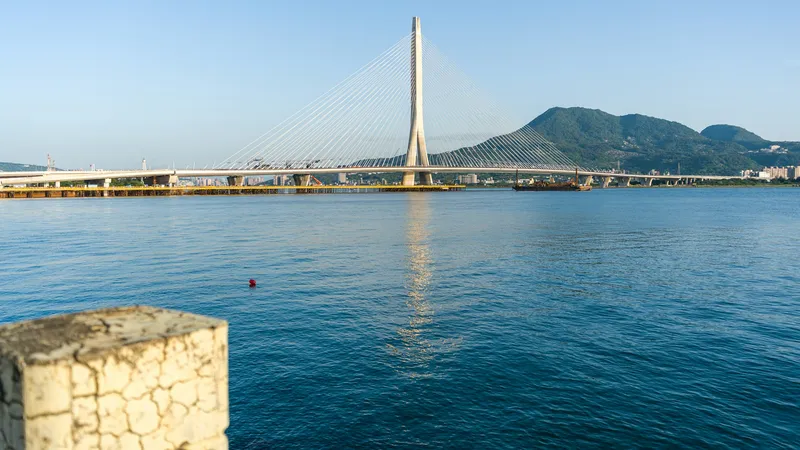
The final concrete segment of the bridge between Carmelo Peralta and Porto Murtinho was poured on July 15, closing the last gap in a road meant to link Brazil’s farm belt to Chile’s Pacific ports through the Paraguayan Chaco.
Read
From May 1, 2026, the trade agreement between the European Union and Mercosur applies provisionally, ending tariffs on most goods between the two blocs. What Mercosur is, and what the deal opens for Paraguay.
ReadThis is a big decision, and there is a lot of information to take in. That is why we start with a free 15 minute call: we look at your situation and your goals, then tell you which programs genuinely fit you, and which do not. We never push one program over another. If staying where you are is your best move, we will tell you that and sell you nothing.