
Paraguay’s power play: cheap hydro and the AI race
Paraguay produces far more clean electricity than it uses. Bitcoin miners found it first. Now the AI industry is arriving, and the government wants a seat at the table.
Read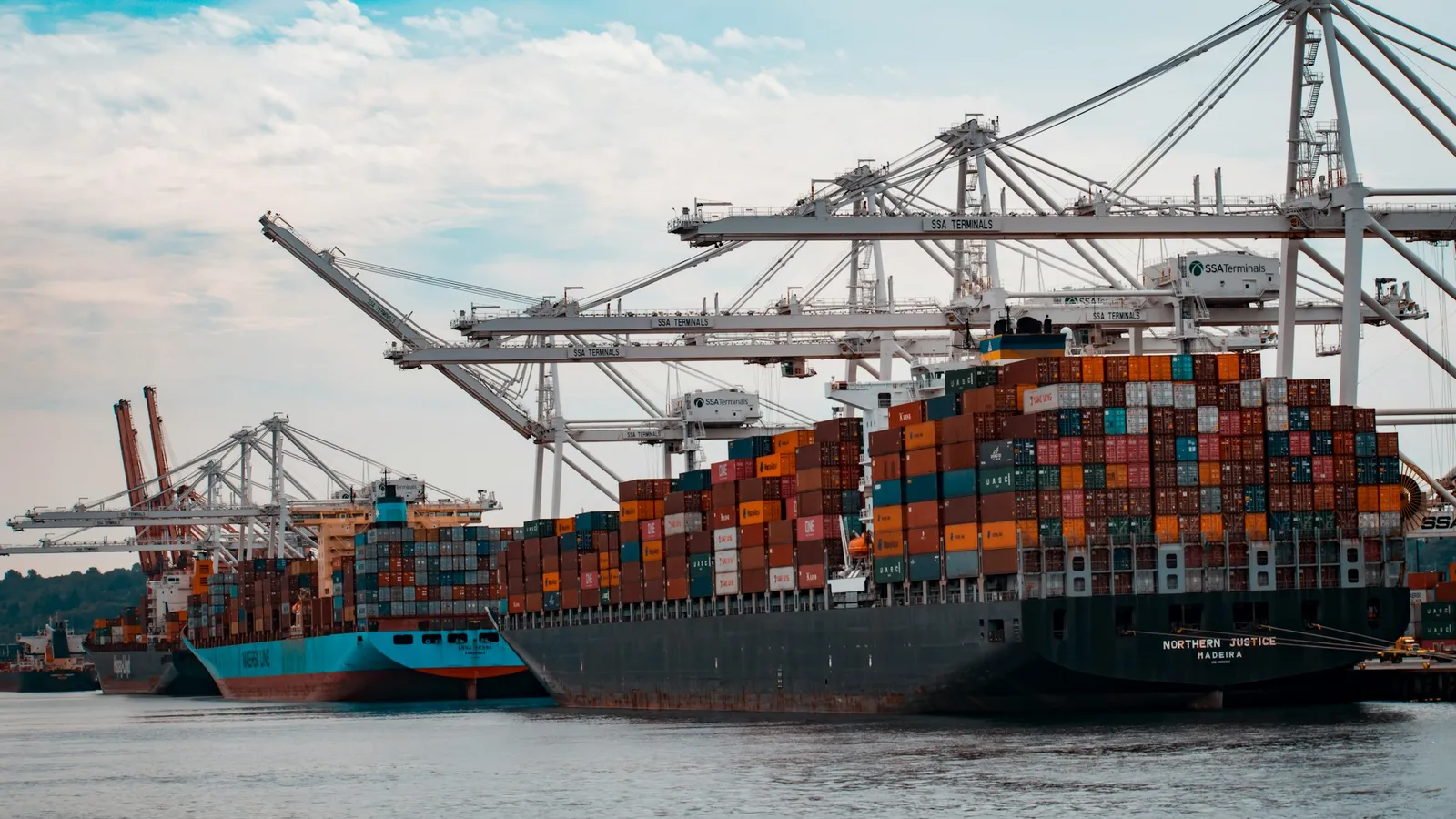
From May 1, 2026, the trade agreement between the European Union and Mercosur applies provisionally, ending tariffs on most goods between the two blocs. What Mercosur is, and what the deal opens for Paraguay.
On May 1, 2026, the trade agreement between the European Union and Mercosur began to apply on a provisional basis. It ends more than 25 years of negotiation and has been described as creating the largest free trade area in the world, linking markets of more than 700 million people. For Paraguay, which signed the deal as host in Asunción and was the last Mercosur country to ratify it, the change is significant.
Mercosur, short for Mercado Común del Sur or Southern Common Market, is a trade bloc founded in 1991 by Argentina, Brazil, Paraguay and Uruguay under the Treaty of Asunción. Its members trade with each other largely free of tariffs and apply a common external tariff to most imports from outside the bloc. Bolivia became a full member in July 2024 but must first adopt Mercosur's rules before it can join the agreement with Europe. Mercosur also gives citizens of member states easier rights to live and work in each other's countries.
Provisional application means the trade provisions apply now, even though the full agreement still needs the European Parliament's consent, which is on hold until the court gives its opinion. The Parliament keeps the power to reject the deal later.
The EU removes duties on about 92% of Mercosur's exports, most of them immediately. Mercosur removes duties on about 91% of EU exports, mostly over periods of up to 15 years. Sensitive farm products enter the EU under quotas, meaning fixed volumes at low or zero duty. Among them, the bloc as a whole shares 99,000 tonnes of beef a year at a 7.5% duty and 180,000 tonnes of poultry duty free, phased in over several years, while Paraguay has its own quota of 10,000 tonnes of sugar duty free. The EU has also built in safeguards that let it act if imports of products such as beef, poultry, sugar or citrus surge and undercut European prices.
In the other direction, European cars, machinery, wine and cheese become cheaper to import over time, and Mercosur countries now protect hundreds of European geographical indications, the protected regional food and drink names such as Rioja or Cava.
Paraguay starts from a small base. Officials said in January that it sells only about US$230 million a year to the EU while importing around US$1,277 million. Foreign Minister Rubén Ramírez Lezcano said at least 95% of Paraguay's current exports would enter Europe on better terms.
The government's targets are ambitious. Industry Minister Javier Giménez estimated the agreement could be worth more than US$8,500 million to Paraguay by 2035, and pointed to beef, soy and its derivatives, corn, rice, pork, wood products, textiles, electric cables and pasta as sectors with room to grow. Officials have also highlighted organic sugar and pulp, linked to the Paracel mill under construction in the north. How the bloc's shared quotas are split among the four Mercosur countries will shape how much of the beef and poultry opportunity Paraguay can capture.
For investors, the deal makes Paraguay more interesting as a production base. Its maquila regime, which lets companies import inputs and export finished goods with a low single tax, gains a large new duty free market, and cheaper European machinery lowers the cost of setting up.
The agreement does not change residency or immigration rules, but it changes the economic backdrop. More European trade and investment usually means more demand for logistics, legal, accounting and technical services, and more reasons for companies to put people on the ground.
Paraguay residency remains straightforward: a temporary permit with no investment requirement, a territorial tax system that generally leaves foreign income untaxed, and a path to citizenship after three years of permanent residency. For those building a business, an investor route can lead directly to permanent residency. We help clients apply, work with our local team, and quote our fees in writing.
This article is general information, not legal, tax or investment advice.
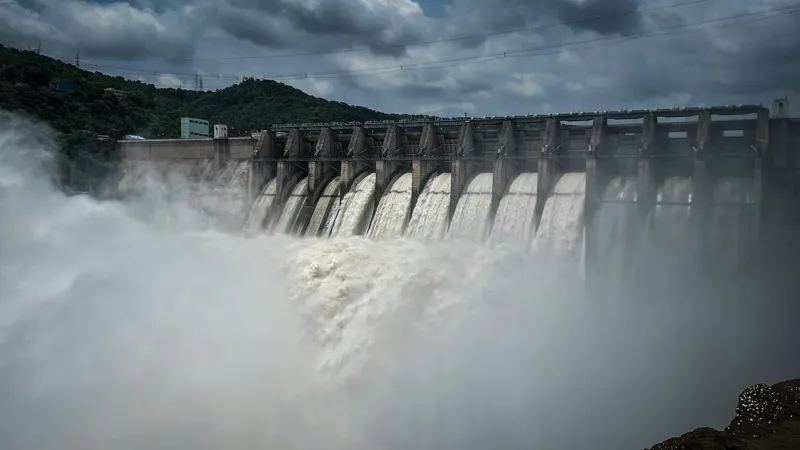
Paraguay produces far more clean electricity than it uses. Bitcoin miners found it first. Now the AI industry is arriving, and the government wants a seat at the table.
Read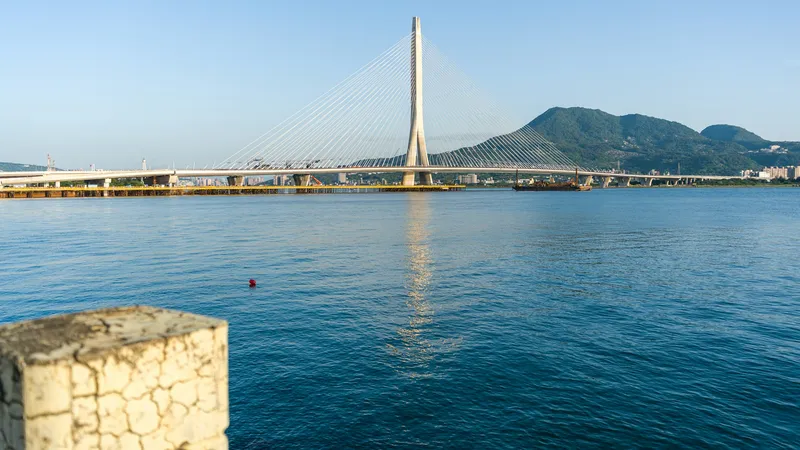
The final concrete segment of the bridge between Carmelo Peralta and Porto Murtinho was poured on July 15, closing the last gap in a road meant to link Brazil’s farm belt to Chile’s Pacific ports through the Paraguayan Chaco.
Read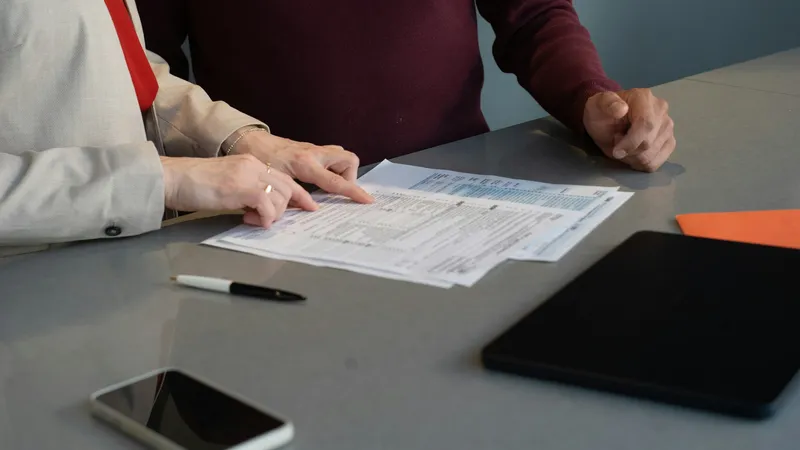
From July 6, 2026, Resolution 407 requires anyone converting temporary residency to permanent in Paraguay to prove lawful, active means of support under one of twelve categories. Temporary residency is unchanged.
ReadThis is a big decision, and there is a lot of information to take in. That is why we start with a free 15 minute call: we look at your situation and your goals, then tell you which programs genuinely fit you, and which do not. We never push one program over another. If staying where you are is your best move, we will tell you that and sell you nothing.