Astute Expat
Book a call
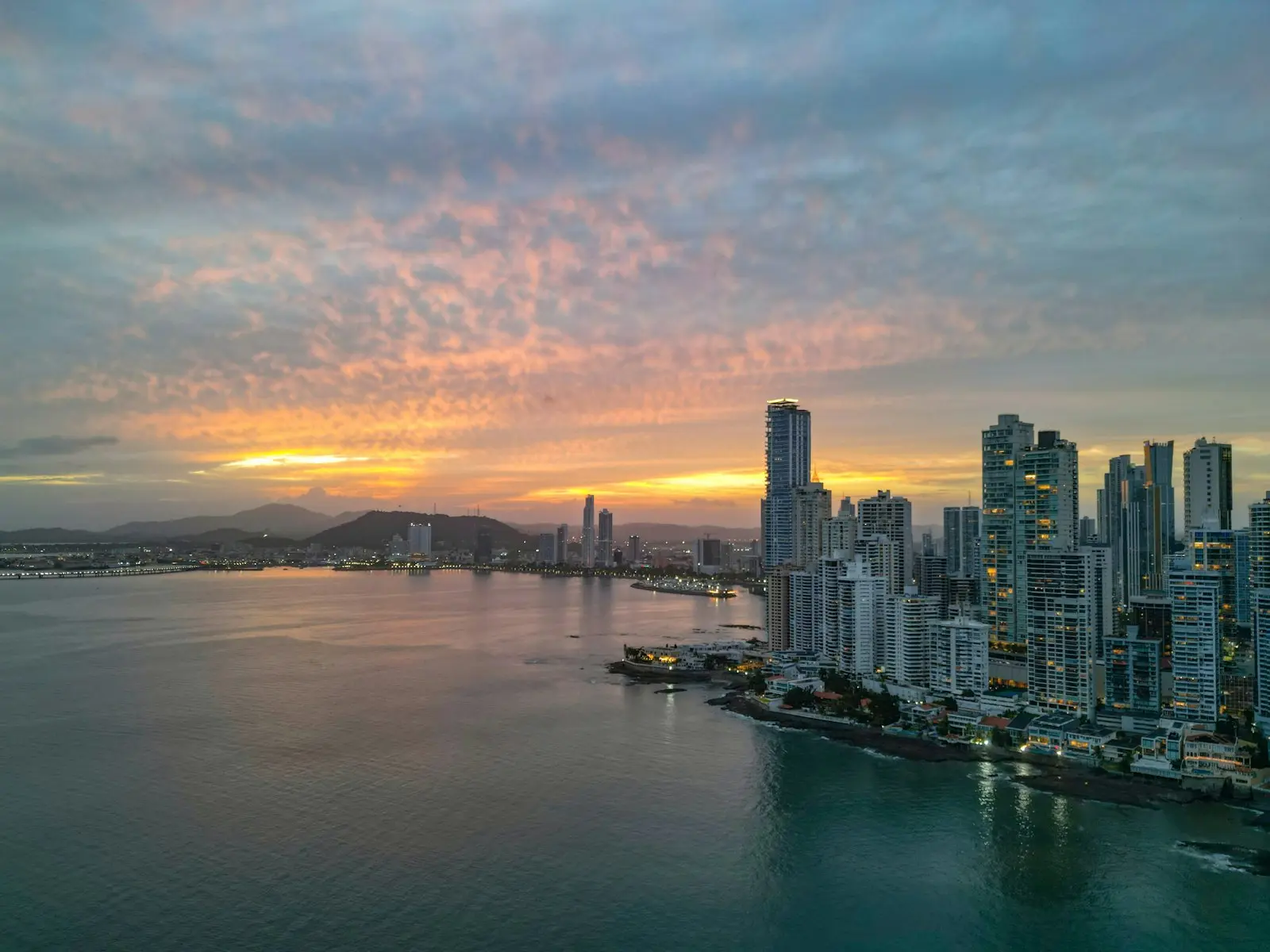
The Panama City skyline at sunset over the Pacific.

Home / Programs / Panama

Residency

Panama Residency

The US dollar, a territorial tax system and one of the most established residency menus in the Americas, with routes for professionals, retirees and investors.

Minimum
None on a pension, or from US$200,000
Timeline
Approx. 1 to 6 months
Outcome
Provisional or permanent residency
Presence
Visits to apply
Family
Spouse and children
The highlights

Why Panama

Tax

A territorial tax system

Panama only taxes income earned inside Panama. Salary, business profits, dividends and gains earned abroad are generally not taxed there, even for residents.

Income earned in Panama is taxed at 0% up to US$11,000 a year, 15% up to US$50,000 and 25% above that.

Full tax breakdown
0%Tax on income from abroad
0% to 25%Personal income tax
25%Company tax
7%VAT

The US dollar

Panama has used the US dollar as legal tender for over a century, so there is no currency risk on savings, rent or contracts.

Hub of the Americas

Tocumen airport has direct flights to most of North, Central and South America and to Europe, so most of the hemisphere is a short trip away.

A residency for most budgets

Retirees can qualify on a pension, citizens of approx. 50 friendly nations through property or a deposit, and investors go straight to permanent residency.

An established financial centre

A large international banking sector and a long tradition of serving foreign clients, and in October 2026 the EU removed Panama from its list of non cooperative tax jurisdictions.

Modern city living

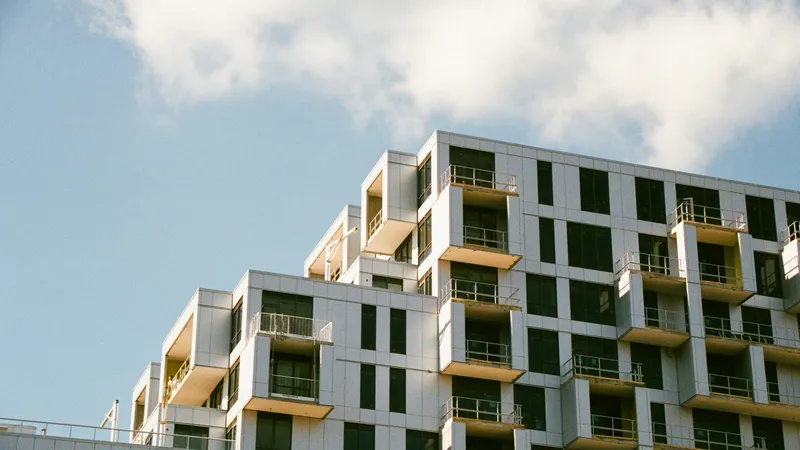
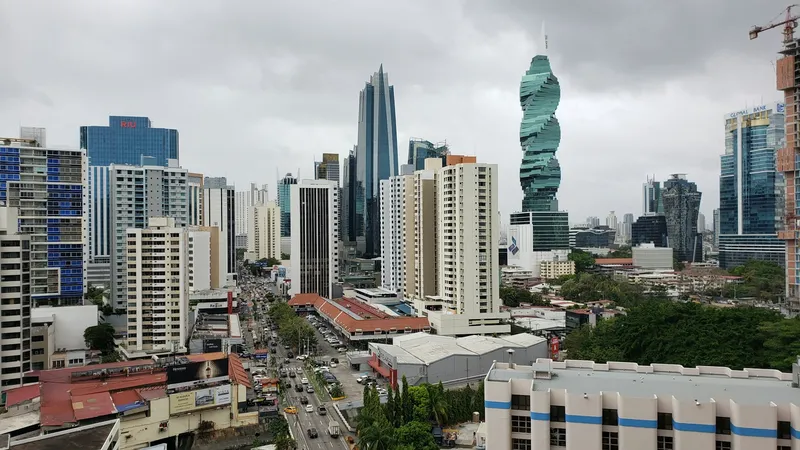
Panama City offers high rise living, private hospitals and international schools, with beaches and mountain towns within a few hours.

Built on trade

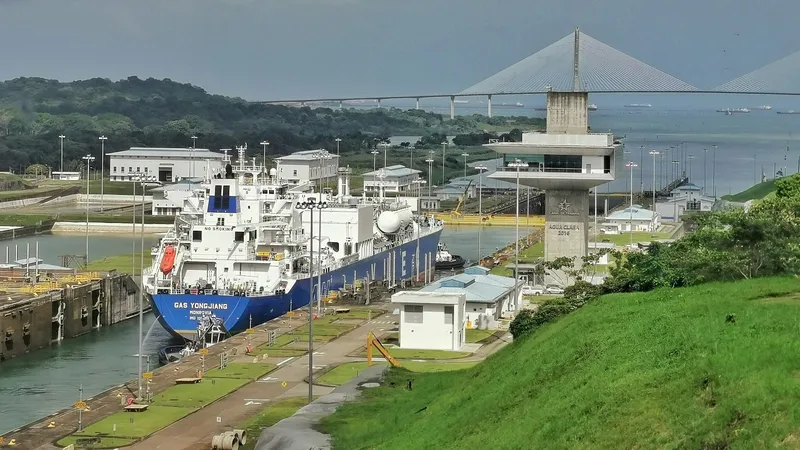
The Panama Canal, the Colón Free Zone and a busy logistics sector give the economy a base that does not depend on one industry.

Who does this program suit?

Suits you if

  • You want income from abroad to stay outside the tax net, in a territorial system where foreign income is not taxed.
  • You want a dollarised, business friendly base in the Americas.
  • You are retiring on a steady pension and want permanent residency from day one, plus retiree discounts.
  • You hold a friendly nations passport and can buy property or place a deposit of US$200,000.
  • You want to go straight to permanent residency as an investor, approved in weeks rather than years.
  • You want a residency that only asks for occasional visits once it is permanent.

Less suited if

  • You want a passport quickly. Naturalisation comes only after five years of permanent residency, requires Spanish and a test, and is discretionary.
  • You want to keep your current citizenship without question. Panama asks naturalised citizens to renounce other nationalities.
  • You want the investor route without tying up at least US$300,000 for five years.
  • Your nationality is not on the friendly nations list and you have no pension or investment budget.
At a glance

Pathways to residency and a passport

Provisional residency

The first status on the friendly nations route, valid for two years. You can live and work in Panama and open bank accounts, then apply to convert to permanent residency before it expires.

Permanent residency

The long term status, granted from day one to pensioners and qualified investors. You can live in Panama indefinitely, and five years of permanent residency opens the door to naturalisation.

The key difference

Provisional residency is a way in that must be converted, and the years spent on it do not count toward citizenship. Permanent residency is the one you keep, and the clock toward a passport only starts when you hold it.

FilingYear 1Year 2Year 3Year 4Year 5Year 6Year 7
Friendly NationsUS$200,000 property or deposit, or a job offer
Provisional residency2 years
Permanent residency5 years
Naturalisation application
Visit to file and give biometrics, then return to renew and convert
Visit at least once every 2 years
Time until you can apply for citizenship: Approx. 7 to 8 years
  1. Approval1 to 6 monthsVisit to file and give biometrics
  2. Provisional residency2 yearsReturn to renew and convert
  3. Permanent residency5 yearsVisit at least once every 2 years
  4. Naturalisation application

Time until you can apply for citizenship: Approx. 7 to 8 years

PensionadoNone; pension of US$1,000 a month
Permanent residency5 years
Naturalisation application
Visit to file and give biometrics, then at least once every 2 years
Time until you can apply for citizenship: Approx. 5 to 6 years
  1. Approval1 to 6 monthsVisit to file and give biometrics
  2. Permanent residency5 yearsVisit at least once every 2 years
  3. Naturalisation application

Time until you can apply for citizenship: Approx. 5 to 6 years

Qualified InvestorFrom US$300,000; up to US$750,000 by asset
Permanent residency5 years
Naturalisation application
Visit for biometrics and registration, then at least once every 2 years
Time until you can apply for citizenship: Approx. 5 years
  1. ApprovalApprox. 1 to 2 monthsVisit for biometrics and registration
  2. Permanent residency5 yearsVisit at least once every 2 years
  3. Naturalisation application

Time until you can apply for citizenship: Approx. 5 years

PathwayMinimum investmentApprovalWhat you getTime to passport eligibilityPresence
Friendly NationsUS$200,000 property or deposit, or a job offerApprox. 1 to 6 monthsProvisional residency, 2 yearsApprox. 7 to 8 yearsVisits to apply; live there for citizenship
PensionadoNone; pension of US$1,000 a monthApprox. 1 to 6 monthsPermanent residencyApprox. 5 to 6 yearsVisits to apply; live there for citizenship
Qualified InvestorFrom US$300,000; up to US$750,000 by assetApprox. 1 to 2 monthsPermanent residencyApprox. 5 yearsVisits to apply; live there for citizenship

Naturalisation needs 5 years of permanent residency (3 if married to a Panamanian), Spanish and a history test, and naturalised citizens must renounce other nationalities.

Ways to qualify

Investment options

Each option below qualifies on its own. We help you pick the one that suits your money and your plans.

PensionUS$1,000 a month

Pensionado

A guaranteed lifetime pension, or US$750 a month if you also own property worth US$100,000. Permanent residency from the start, plus retiree discounts.

Friendly nationsUS$200,000

Property, deposit or job offer

For citizens of listed countries. Two years of provisional residency, then permanent.

Qualified investorUS$300,000

Real estate, securities or deposit

Direct permanent residency. New property from a developer from US$300,000, resale property from US$500,000, US$500,000 in securities or a state bank deposit, or US$750,000 at a private bank. Held for five years.

Buying property to qualify? We check the title, debts, permits and valuation before you sign, so the property is clean and actually counts for the program.
Real estate due diligence
What it costs

Costs beyond the minimum

On top of the qualifying amount there are government fees, a refundable repatriation deposit, residency card fees, a health certificate and legal work, and one or two trips to Panama during the process. Every situation is different, so we quote everything as one custom fixed fee in writing after a free call.

Before you apply

Requirements

Who can apply

  • Adults of any nationality on the pensionado and qualified investor routes; the friendly nations route is limited to citizens of approx. 50 listed countries.
  • A clean criminal record from your country of nationality or residence.
  • Pensionado: a guaranteed lifetime pension of at least US$1,000 a month, or US$750 a month if you also own property in Panama worth US$100,000 or more.
  • Friendly nations: a job offer from a Panamanian company, property worth US$200,000 or more, or a US$200,000 fixed deposit held for three years.
  • Qualified investor: new property bought from a developer from US$300,000, resale property from US$500,000, US$500,000 in securities or in a deposit at one of the two state owned banks, or US$750,000 at a private bank, held for five years with funds traceable from abroad.
  • Children under 18 can be included as dependants, and older children usually up to 25 when they are single and studying full time.

Documents checklist

  1. Valid passport
  2. Police clearance, apostilled
  3. Birth and marriage certificates, apostilled and translated into Spanish
  4. Proof of pension, property title, deposit certificate or job offer
  5. Source of funds evidence for investors
  6. Health certificate
  7. Passport photos

We assist you in obtaining each document, then have it apostilled (certified with an international stamp so it is valid abroad), translated and filed for you.

Family inclusion

A spouse and children under 18 can be included on every main route, and children up to 25 who are single and studying full time usually qualify too. On the pensionado route, each dependant adds US$250 a month to the pension needed.

SpouseChildren
Tax at a glance

Taxes in Panama

The headline rates for people who are tax residents there. Holding a residency or passport does not by itself make you a tax resident, and your current country may still tax you, so the licensed tax advisers in our local team confirm your position.

How residents are taxedTerritorialOnly income earned in Panama is taxed.
Personal income tax0% to 25%0% up to US$11,000, 15% up to US$50,000, 25% above.
Income from abroadNot taxedIncome earned outside Panama is not taxed.
Company tax25%On profits earned in Panama. Small firms with income under US$500,000 can pay 7.5% to 22.5%.
VAT (sales tax)7%Higher rates on alcohol, tobacco and some services.
Capital gains10%On gains from Panamanian assets, collected as an advance on sale.
Dividends10%5% when paid out of foreign or export profits.
Inheritance and giftsNone
Wealth taxNone
Property tax (yearly)0% to 1%Your main home is exempt up to US$120,000 of value.
See how this compares to other countries
How it works

From first call to approval

  1. 01

    Choose the route

    Pension, friendly nations or qualified investor, based on your passport, budget and plans. We then assist you in obtaining the relevant documents and having them apostilled and translated.

  2. 02

    Make the investment

    We check the property, deposit or pension proof against the current thresholds, including whether a property counts as a first sale, before any money moves.

  3. 03

    File in Panama

    A licensed lawyer from our local team files with the National Migration Service, and you visit Panama for biometrics and registration.

  4. 04

    Residency card

    Provisional or permanent residency is granted and your residency card is issued. Investors are usually approved within approx. 30 business days of the investment being certified.

  5. 05

    Convert or maintain

    On the friendly nations route we prepare your permanent application after two years. Investors keep the investment for five years, with a yearly check.

After approval

Settling in, handled by the same team

Our local team stays with you once you are approved and takes care of the practical steps, then keeps everything current and compliant.

Residency ID cardTax numberDriver’s licenceBusiness licence (aviso de operación)Company annual fees and filingsYearly tax filings
Settling in
FAQ

Questions about Panama

Is Panama a good Plan B?

Yes, for people who can meet one of the routes. Permanent residency is long lasting, the country uses the US dollar, and it is a short flight from North America. Once permanent, an absence of more than two years in a row can lead to cancellation, so a visit at least once every two years keeps it safe. The entry cost is higher than Paraguay, since most routes need US$200,000 or more, unless you qualify on a pension.

Is Panama good from a tax residency perspective?

Yes. Panama taxes only income earned in Panama, so foreign salary, dividends and gains are generally not taxed there. You become tax resident by spending more than 183 days there in a year, and holding permanent residency can also count, with your centre of economic and family life taken into account. The harder part is leaving your home country's tax net, which depends on your nationality and circumstances, so book a free call and we can talk through yours.

Is Panama a good place for company structuring and banking?

It can be. Panamanian companies and foundations are long established tools, and profits earned outside Panama are not taxed there. Local banks are solid but cautious with foreigners: expect detailed questions about source of funds and in person meetings, so opening accounts takes time. In October 2026 the EU removed Panama from its list of non cooperative tax jurisdictions, which should make Panamanian structures easier to use with European counterparties.

Is Panama good for entrepreneurs who are just starting out?

Only if you qualify for a route without stretching your budget. Most routes need US$200,000 or more, which is a lot to tie up early on. If you run a small business inside Panama, companies with annual income under US$500,000 can register for reduced corporate rates of 7.5% to 22.5% instead of the standard 25%. For many founders, a lower cost residency elsewhere is the better first step.

Do I need to live in Panama?

No. You visit to apply and for biometrics. Permanent residents should return at least once every two years, because a continuous absence of more than two years can lead to the residency being cancelled. Naturalisation is different: it expects you to have genuinely lived there.

Can I get a Panamanian passport later?

Permanent residents can apply for naturalisation after five years, or three if married to a Panamanian or with Panamanian children. It requires Spanish, a test on Panama's history and institutions, proof of means and good conduct, and approval is at the government's discretion.

Does Panama allow dual citizenship?

Not for naturalised citizens. Applicants must declare that they renounce their other nationality. Whether your home country treats that declaration as ending your citizenship depends on its own law, which we look at with you before you apply.

What changed for the qualified investor route in 2026?

Executive Decree 17, in force since 16 September 2026, kept the US$300,000 minimum for property bought directly from a developer but raised resale property to US$500,000. Securities stay at US$500,000, deposits at the two state banks at US$500,000 and private bank deposits at US$750,000. Applications already under way may qualify under the old rules if filed by about mid March 2027.

Who is on the friendly nations list?

Approx. 50 countries, including the United States, Canada, the United Kingdom, Australia, most of the European Union, Brazil and Argentina. We confirm your nationality qualifies on the free call.

Can I sell the investment?

On the qualified investor route, the investment is held for five years and checked every year. A sale or swap within that period needs notice to the authorities and, where allowed, a replacement of equal value, or the residency can be cancelled.

What happens when my children turn 18?

Children over 18 usually stay included while they are single and studying full time, up to approx. 25. Once a child holds permanent residency, it is not normally withdrawn because they get older.

How long does it take?

The qualified investor route is the fastest: approx. 15 business days to certify the investment and up to 30 business days for the migration decision. Pensionado and friendly nations applications typically take one to six months.

The Brief

Latest on Panama

Panama · Tax

The EU takes Panama off its list of non cooperative tax jurisdictions

After more than six years on the EU’s tax blacklist, Panama moved to the lighter “state of play” annex on October 9. What the list is, why Panama was on it and what changes for companies, banks and residents.

Read
Panama · Residency

Panama raises the investor visa property minimum to US$500,000 for resales

A new decree in force from September 16 lifts the Qualified Investor real estate threshold to US$500,000 for resale homes, keeps US$300,000 for new first sale property and adds a cheaper deposit option.

Read
Panama · Residency

Panama’s Friendly Nations visa explained

Citizens of around 50 countries can reach Panamanian residency through a job, a US$200,000 property or a US$200,000 deposit. Who qualifies, what changed in 2021 and the path to permanent residency and citizenship.

Read
Panama · Economy

Panama’s 2025 property data: apartments up, houses and land down

Official figures show apartment transfers rose 11% and apartment mortgages 15.4% in 2025, while deals on houses and land fell. What the split means for anyone who may one day want to resell.

Read
Panama · Economy

Who is buying property in Panama, and where

Investment through Panama’s Qualified Investor visa reached about US$100 million in the year to July 2025, mostly in real estate. Colombians and Americans lead, and buyers are spreading well beyond the capital.

Read
Panama · Economy

The Panama Canal, Washington and the ports deal: where things stand

Three months of US pressure over Chinese influence near the canal have produced a planned sale of the Balboa and Cristóbal port operations, a new security memorandum and a firm line from Panama on sovereignty.

Read
Panama · Residency

Panama’s pensionado visa explained

A lifetime pension of US$1,000 a month, or US$750 with a US$100,000 property, brings permanent residency from day one, plus retiree discounts written into Panamanian law. Requirements, family rules and the limits.

Read
All articles
Next step

Find out if you qualify

Tell us a little about yourself and we will review whether Panama Residency suits you, what it would cost in total and how long it would take. No cost and no obligation.

Prefer to talk? Book a free 15 minute call.

Strictly confidential. We only use your details to reply to you.