Panama's property market had an uncertain start to 2025, but foreign buyers have kept it moving. Developers and brokers interviewed by La Prensa in a report published on November 2 describe a steady flow of buyers from abroad, many of them paying more than US$300,000, and say the stock of unsold homes built up during the pandemic has only now been close to cleared.
The clearest picture of who these buyers are comes from the figures for Panama's main investor residency.
What the Qualified Investor figures show
The Qualified Investor program, run by the investment office of MICI, Panama's Ministry of Commerce and Industries, grants permanent residency straight away to foreigners who invest in Panamanian real estate, in securities or in a fixed term bank deposit. For property, the minimum is US$300,000. The government had planned to raise it to US$500,000 after October 15, 2024, but in October 2024 decided to keep the lower figure.
According to MICI, more than 500 certificates had been issued by mid 2025, and the investment linked to the program reached about US$100 million in the twelve months to July 2025, up from US$63.2 million in the previous period. La Prensa puts the comparable totals at US$17 million in 2021 and US$55 million in 2022. Real estate accounts for 83% of the certificates granted, which makes the program, in practice, a property program.
Where the buyers come from
By nationality, Colombians hold the most certificates, 119, followed by Americans with 74, Peruvians with 52, Germans with 50 and Canadians with 47. Among buyers arriving in 2025, La Prensa's sources single out Colombians, Venezuelans and Americans as the largest groups.
The reasons they give are practical. Ernesto Orillac of the advisory firm Motta Orillac Advisors points to Panama's air connections, its use of the US dollar and its security. Esteban Ripoli, director of the property fair run by Acobir, the Panamanian association of real estate brokers and developers, links demand to political uncertainty in parts of Latin America and the rising cost of living in the United States and Canada. He notes that many buyers spend half the year in Panama and half at home, renting the property out while they are away. Retirees are an important group, but so are working professionals buying now with retirement in mind.
Where they are buying
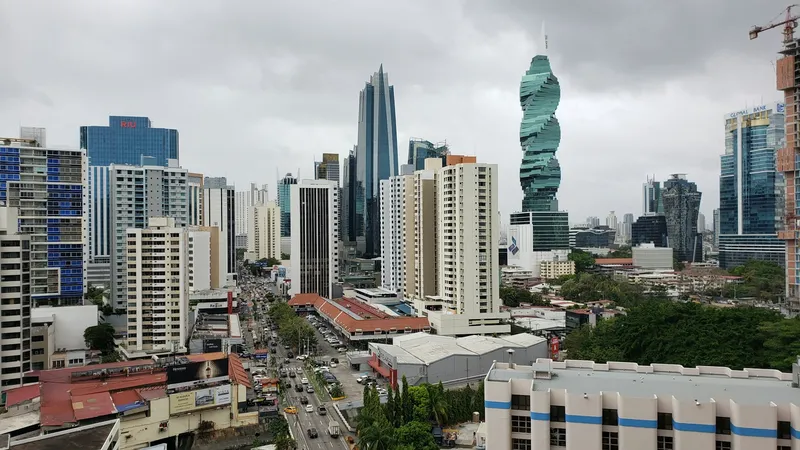
- Panama City, which MICI says leads investor interest together with the Chame district.
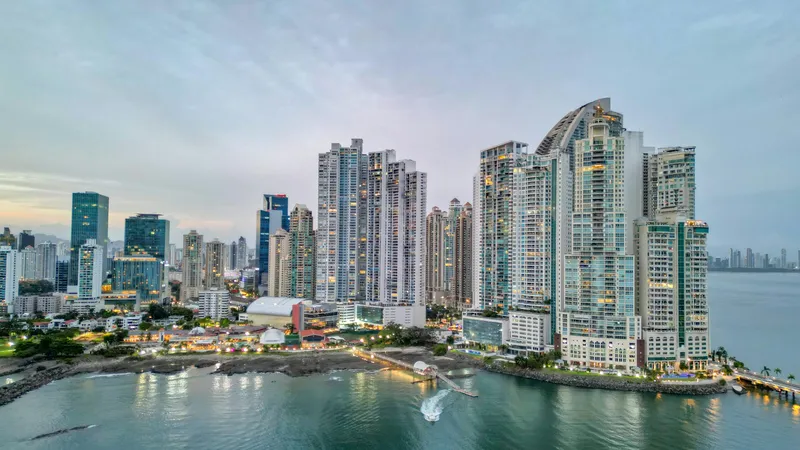
- Chame and Coronado, the Pacific beach area west of the capital in the province of Panamá Oeste. Walter Cohen, MICI's director general of investor services, has described the coastal zone of the Chame district as a growing focus for investors.
- Pedasí and Playa Venao, on the Azuero peninsula, where buyers look for sea views and surf.
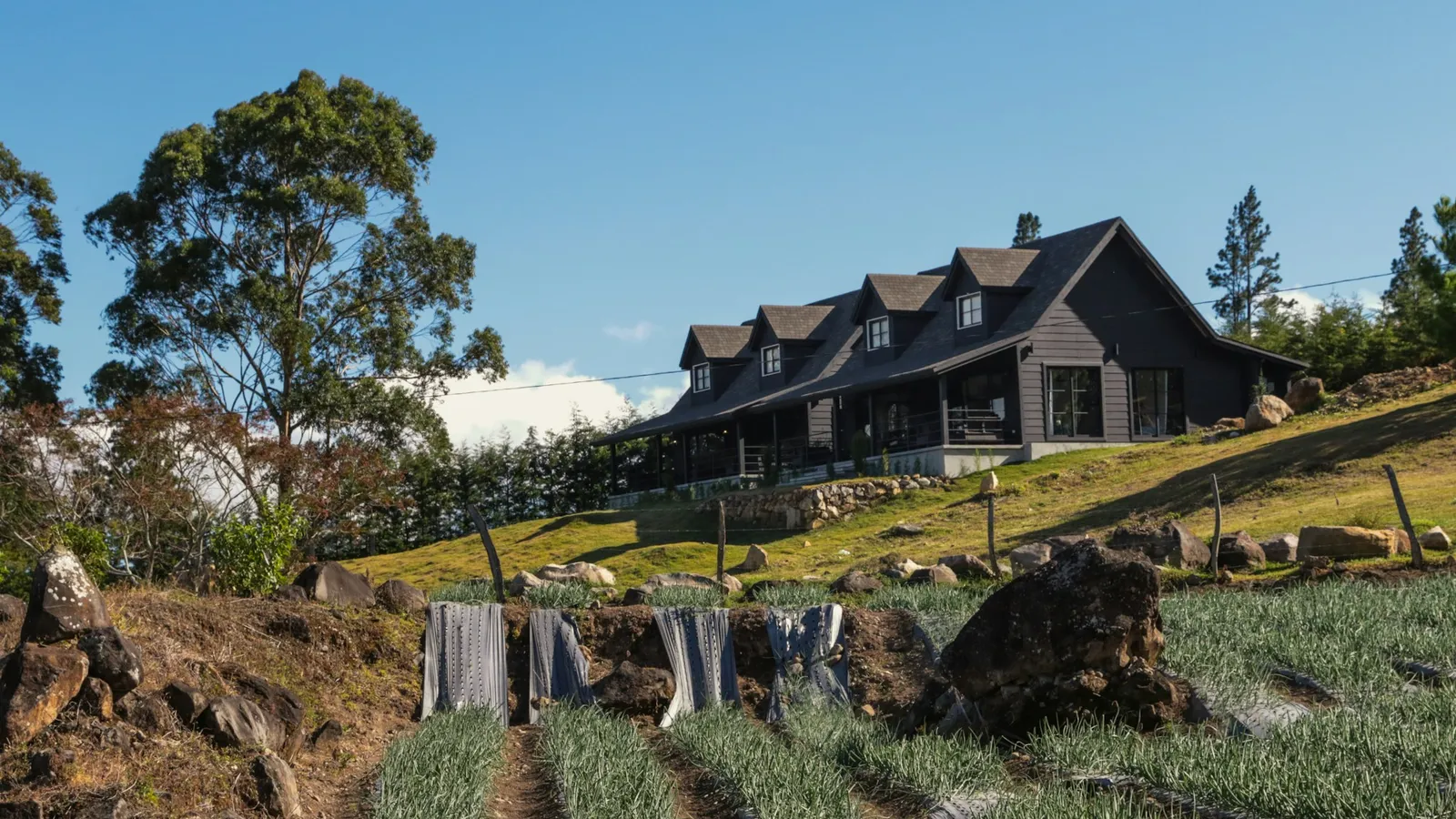
- Boquete, in the cooler highlands of Chiriquí province in the west of the country.
Acobir's president, Sarita Hanono de Hamui, says sea view and tourism oriented property is in demand and that foreigners wanting to settle in Panama come through the door every day. She describes the outlook for 2026 as positive.
What it means if you are considering Panama
Two things stand out. Property is how most people use the Qualified Investor route, and buyers are increasingly looking at beach and mountain towns, where markets are smaller and resale can take longer than in the capital. Both are reasons for care rather than hesitation.
A property bought for residency has to do two jobs. It has to be a sound purchase: clean title at the Public Registry, no liens, mortgages or unpaid condominium fees, and the right permits if it is still being built. And it has to qualify for the visa: at least US$300,000 for the Qualified Investor route, or US$200,000 for the Friendly Nations route open to citizens of countries on Panama's Friendly Nations list, owned and documented in a way the authorities accept.
Our real estate due diligence service checks both before you sign, working with our local team of lawyers in Panama and ending with a written recommendation. Our Panama residency program then covers the application itself, with a fixed fee quoted in writing.
This article is general information, not legal, tax or investment advice.