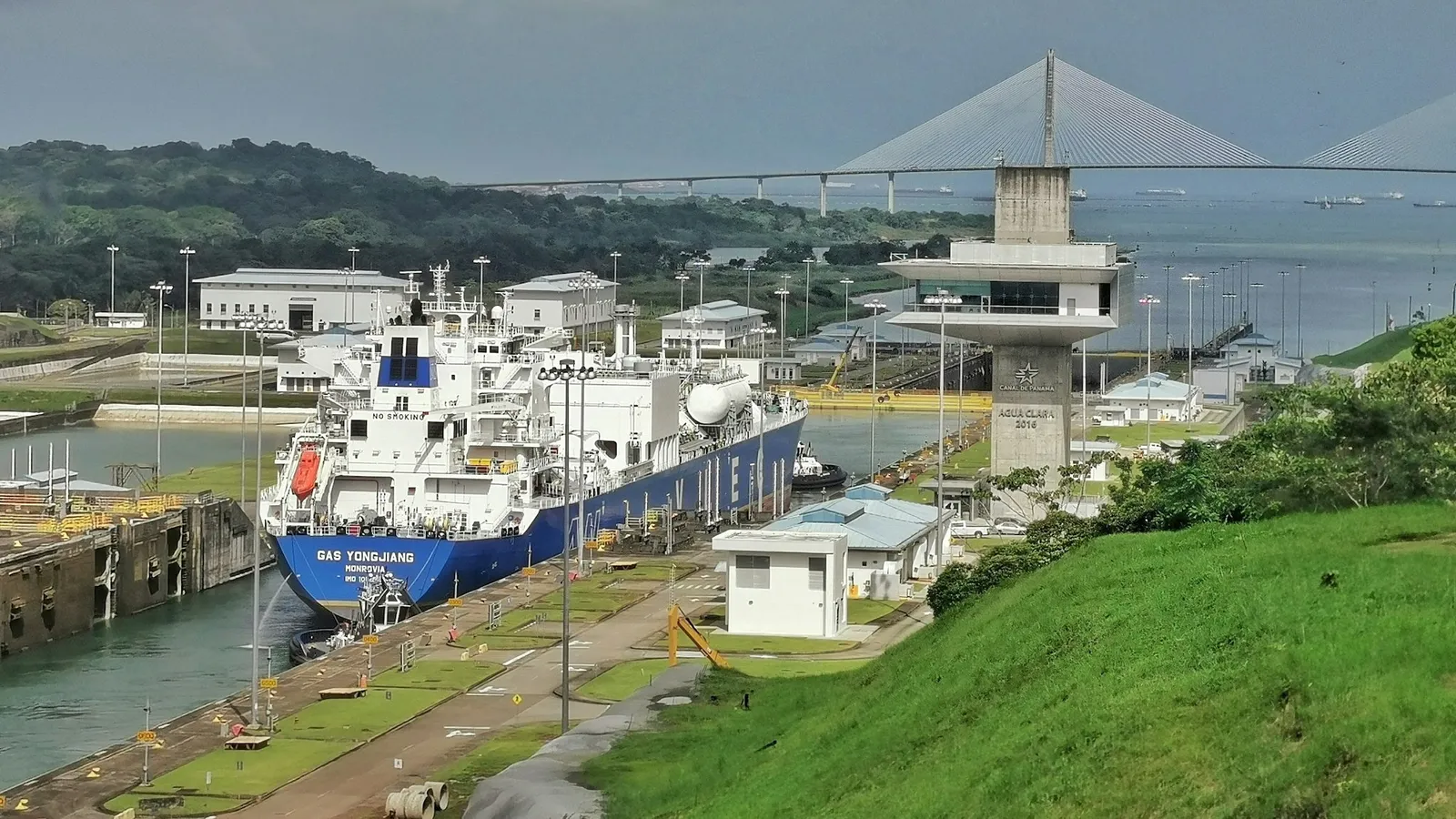
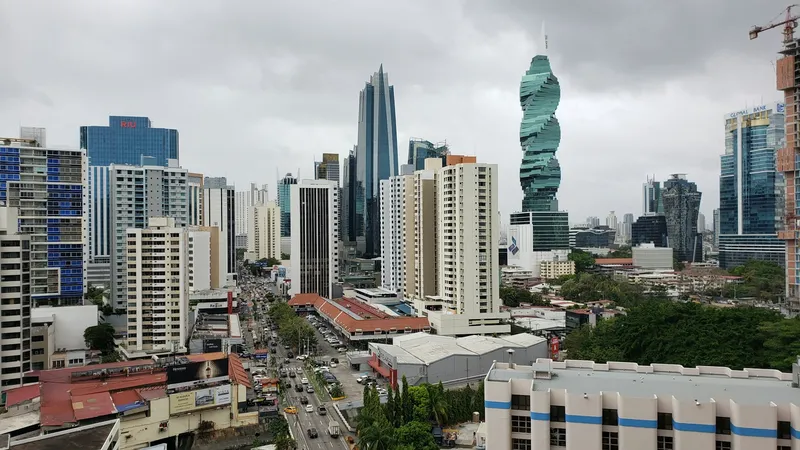
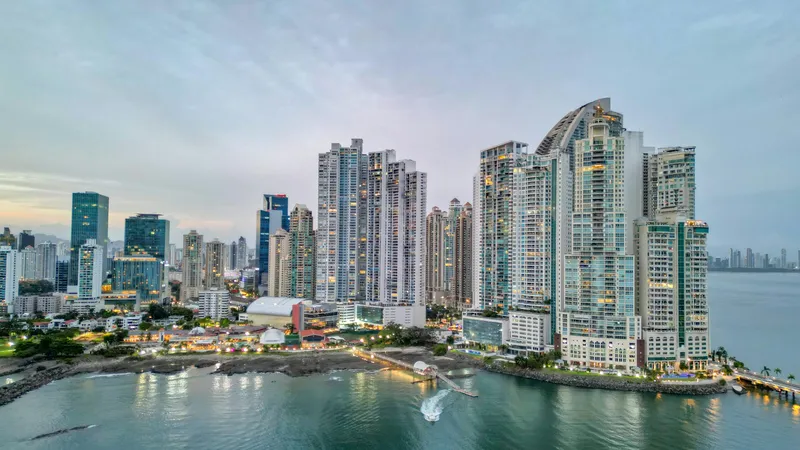
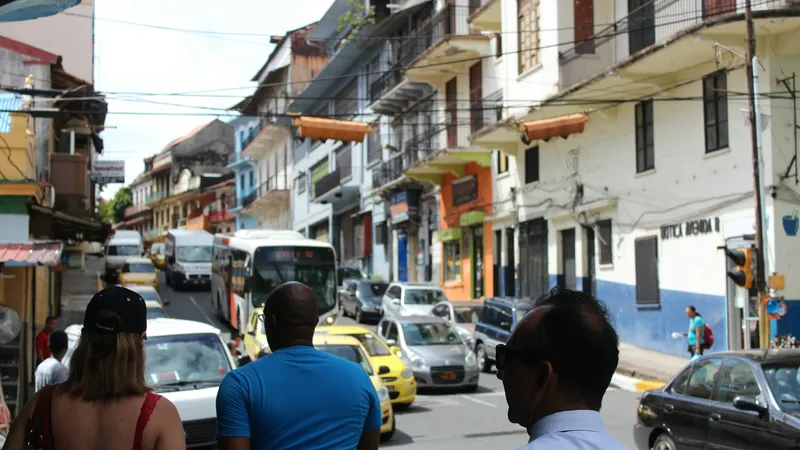
Since January, the Panama Canal has been at the centre of the most serious dispute between Panama and the United States in decades. Washington says Chinese influence around the waterway threatens the treaty that governs it. Panama says the canal is Panamanian and not up for discussion. In between, a Hong Kong conglomerate has agreed in principle to sell the two ports at either end of the canal to a consortium led by the American investment firm BlackRock.
How the dispute began
The United States built the canal and ran it for most of the twentieth century. Under the 1977 treaties it handed the waterway to Panama at the end of 1999, and a separate neutrality treaty requires the canal to stay open to ships of all nations. Today it is run by the Panama Canal Authority, an autonomous Panamanian state agency.
In his inaugural address on January 20, President Donald Trump said China was effectively operating the canal and that the United States was "taking it back". President José Raúl Mulino replied from the World Economic Forum in Davos that the canal "was not a concession or a gift from the United States" and that Panama rejected the remarks in their entirety. China's foreign ministry said Beijing has never interfered in the canal's affairs.
The American concern centres on Panama Ports Company, a subsidiary of Hong Kong based CK Hutchison Holdings that has operated the ports of Balboa on the Pacific and Cristóbal on the Atlantic since the late 1990s. Its concession was extended for 25 years in 2021 without a new tender.
Panama's response
Secretary of State Marco Rubio visited Panama City on February 2, his first foreign trip in the role, and told Mulino that Panama needed to reduce Chinese influence or the United States would act to protect its rights under the treaty. Mulino described the meeting as respectful and said no threat of force had been made. He ruled out any negotiation over ownership of the canal, but announced that Panama would not renew its 2017 agreement to join China's Belt and Road Initiative, Beijing's global infrastructure program. Panama's embassy in Beijing gave formal notice on February 6.
Panama also opened an audit of Panama Ports Company through the Comptroller General, the state's financial watchdog. On April 7, Comptroller Anel Flores said the company had received about US$3.78 billion between 1997 and 2023 while paying the state about US$236 million, called the contract one sided and said he would refer the matter to the Attorney General's office. Separately, Panama's Attorney General has argued in court that the 2021 extension was unconstitutional.
On April 9, during a visit by US Defense Secretary Pete Hegseth, the two countries signed a memorandum on security cooperation that allows rotating joint training at former US installations such as Rodman, Howard and Fort Sherman. They also agreed to work towards a mechanism under which US warships would transit first and at no net cost: Panama would still collect tolls and then compensate the United States, an arrangement Panama's canal minister described as a compensation system for services. Panama's security minister said the country cannot accept US military bases and that it has not ceded sovereignty over the canal or the surrounding areas.
The ports sale
On March 4, CK Hutchison announced a preliminary agreement to sell 80% of its international ports business, 43 ports in 23 countries, to a consortium of BlackRock, its infrastructure arm Global Infrastructure Partners and Terminal Investment Limited, the terminal operator of the MSC shipping group. The consortium would also take 90% of Panama Ports Company. The deal values the business at US$22.8 billion including debt, with CK Hutchison expecting more than US$19 billion in cash. Ports in Hong Kong and mainland China are excluded.
The sale is not done. China's market regulator announced on March 28 that it would review the transaction on competition grounds, and Reuters reported that CK Hutchison would not sign the definitive agreements by the original April 2 target, while saying talks continued. Panama's government must also approve the change of control for the Panamanian concession.
What it means for Panama's stability and business
The canal itself is not changing hands, and nothing in the past three months has altered who operates it. It remains the backbone of the public finances: in the year to September 2024 the Canal Authority paid more than US$2.47 billion directly to the national treasury. Panama's institutions have responded through audits, courts and diplomacy, and the government has kept channels open with both Washington and Beijing.
The open questions are commercial and legal: who ends up running the two ports, whether the concession survives the audit and court challenges, and how the warship arrangement is finally written. For most residents and investors, daily life and the dollarised economy are unaffected. For businesses in logistics, ports and shipping services, these are developments worth following closely.
What it means if you are considering Panama
The episode shows both the pressure Panama faces as the owner of a strategic asset and the steadiness of its response. Residency routes, the territorial tax system and the use of the US dollar are untouched. We help clients choose a residency route, work with our local team in Panama and quote a fixed fee in writing.
This article is general information, not legal, tax or investment advice.