
Paraguay’s power play: cheap hydro and the AI race
Paraguay produces far more clean electricity than it uses. Bitcoin miners found it first. Now the AI industry is arriving, and the government wants a seat at the table.
Read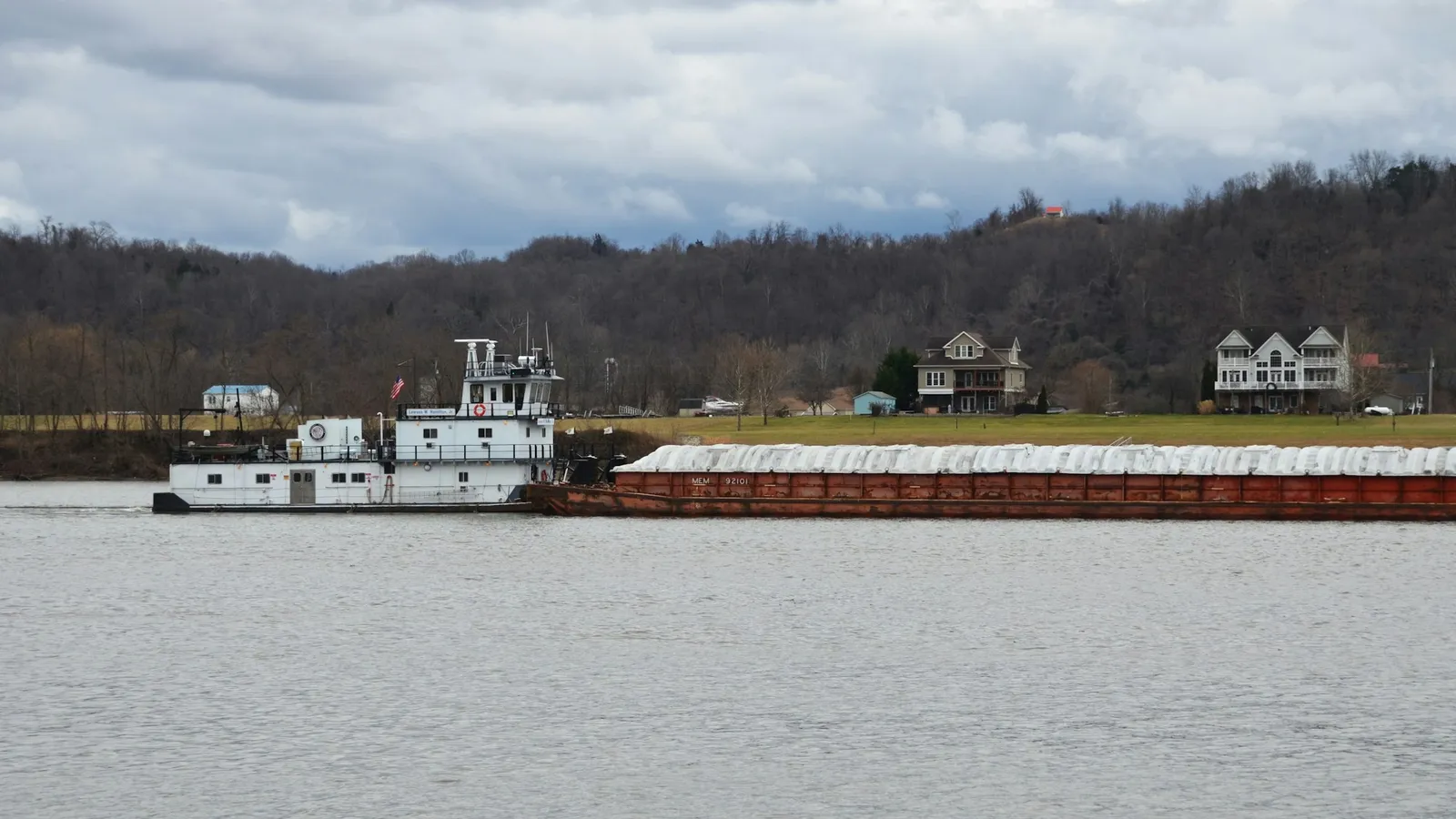
Paraguay has no coastline, yet its river fleet is reported to be the third largest in the world after the United States and China, carrying around 80% of the country’s foreign trade down the Paraguay and Paraná rivers.
On August 12, 2024, at a shipyard in Asunción, Louis Dreyfus Company inaugurated 12 new jumbo barges flying the Paraguayan flag. The commodity trader said the expansion lifts the capacity of its Paraguayan river logistics arm by 20%, to a fleet of 4 towboats and 92 barges once it is complete in early 2025. President Santiago Peña used the occasion to repeat a statistic that surprises most people outside the region: Paraguay, a country with no coastline, has the third largest barge fleet in the world.
Paraguay's merchant marine authority, the Dirección General de Marina Mercante, counted 3,850 vessels in the national fleet in mid 2024, of which 2,430 are cargo vessels working on international routes. The rest are smaller craft that operate only within the country. By that measure the fleet is the largest in South America and is regularly described by officials as the third largest in the world, behind the United States and China. A barge, for readers unfamiliar with river shipping, is a flat bottomed hull with no engine of its own; several are lashed together into a convoy and pushed by a towboat.
Officials and industry figures cited in the Paraguayan press put total investment in the fleet at around US$3,000 million. About 9,000 people work in the river sector, and 15 shipyards operate in the country, five of which build new vessels while the rest focus on repairs and maintenance.
The reason is geography. Paraguay has no sea port of its own, and its rivers are its cheapest route to world markets. The Paraguay and Paraná rivers form the Hidrovía Paraguay Paraná, a navigable waterway of about 3,442 kilometres running from Cáceres in Brazil to Nueva Palmira in Uruguay, shared by Argentina, Bolivia, Brazil, Paraguay and Uruguay. A 1992 agreement between the five countries set out principles for using it, including freedom of navigation, freedom of transit and equal treatment of each country's vessels.
That framework, combined with tax incentives that Paraguayan officials credit with attracting investors to the sector, allowed Paraguayan shipowners to build up a fleet that now serves not just Paraguay but the whole upper river. Cargo travels south in convoys to ocean ports in Argentina and Uruguay, where it is loaded onto seagoing ships.
Peña said in August that about 80% of all Paraguayan merchandise already moves by river. Paraguay is one of the world's largest exporters of soybeans, and soy, soy meal and soy oil are the core of the trade. Fuel imports come upriver. Paraguayan vessels also carry large volumes of iron ore from Corumbá in Brazil: between 5 and 8 million tonnes in 2023, according to industry figures reported by La Nación.
The industry sees room to grow. Industry figures put the waterway's current traffic at about 20 million tonnes a year and believe that iron ore alone could take that much higher. The Paracel pulp mill being built in northern Paraguay is expected to add around 2.5 million tonnes of finished product a year.
The river economy explains a good deal about modern Paraguay: why Asunción has a busy shipbuilding industry, why agribusiness and logistics firms keep investing, and why a small landlocked country can compete in global commodity markets. For entrepreneurs, it points to steady demand in transport, ship repair, storage, insurance, legal and technical services.
For individuals, Paraguay remains one of the more accessible residencies available, with no investment required for the temporary permit, a territorial tax system that generally leaves foreign income untaxed, and a path to citizenship after three years of permanent residency. We help clients apply, work with our local team, and quote our fees in writing.
This article is general information, not legal, tax or investment advice.
Paraguay produces far more clean electricity than it uses. Bitcoin miners found it first. Now the AI industry is arriving, and the government wants a seat at the table.
Read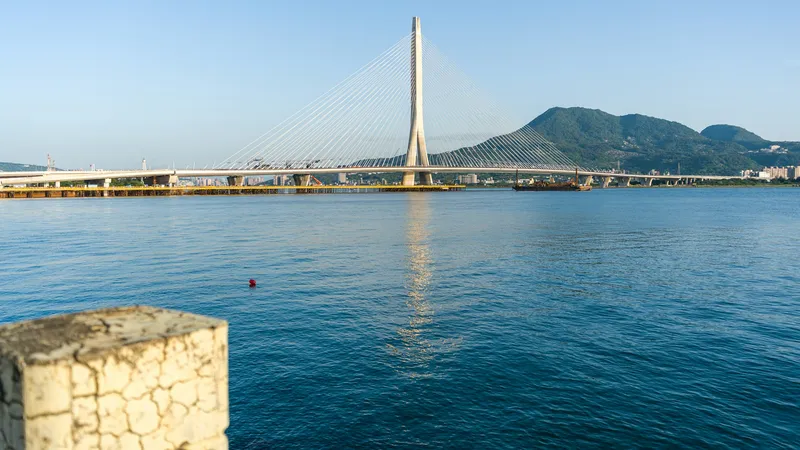
The final concrete segment of the bridge between Carmelo Peralta and Porto Murtinho was poured on July 15, closing the last gap in a road meant to link Brazil’s farm belt to Chile’s Pacific ports through the Paraguayan Chaco.
Read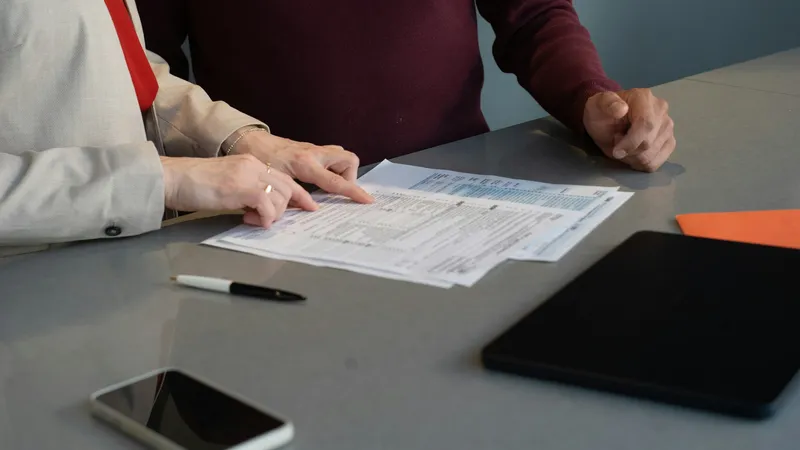
From July 6, 2026, Resolution 407 requires anyone converting temporary residency to permanent in Paraguay to prove lawful, active means of support under one of twelve categories. Temporary residency is unchanged.
ReadThis is a big decision, and there is a lot of information to take in. That is why we start with a free 15 minute call: we look at your situation and your goals, then tell you which programs genuinely fit you, and which do not. We never push one program over another. If staying where you are is your best move, we will tell you that and sell you nothing.