
Paraguay’s power play: cheap hydro and the AI race
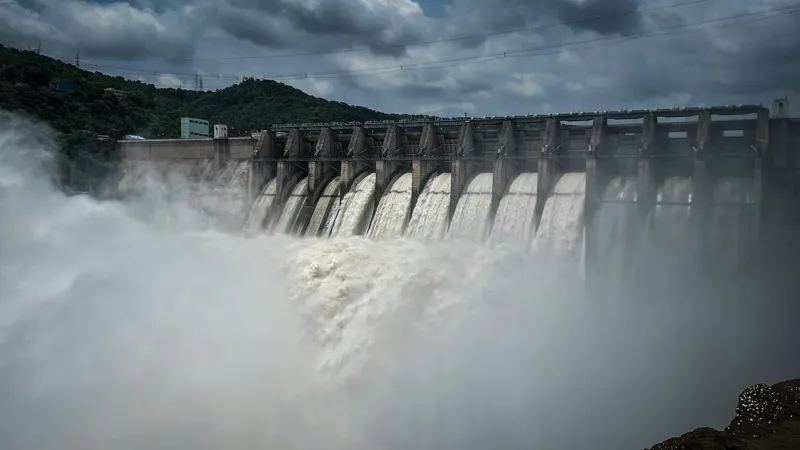
Paraguay produces far more clean electricity than it uses. Bitcoin miners found it first. Now the AI industry is arriving, and the government wants a seat at the table.
Read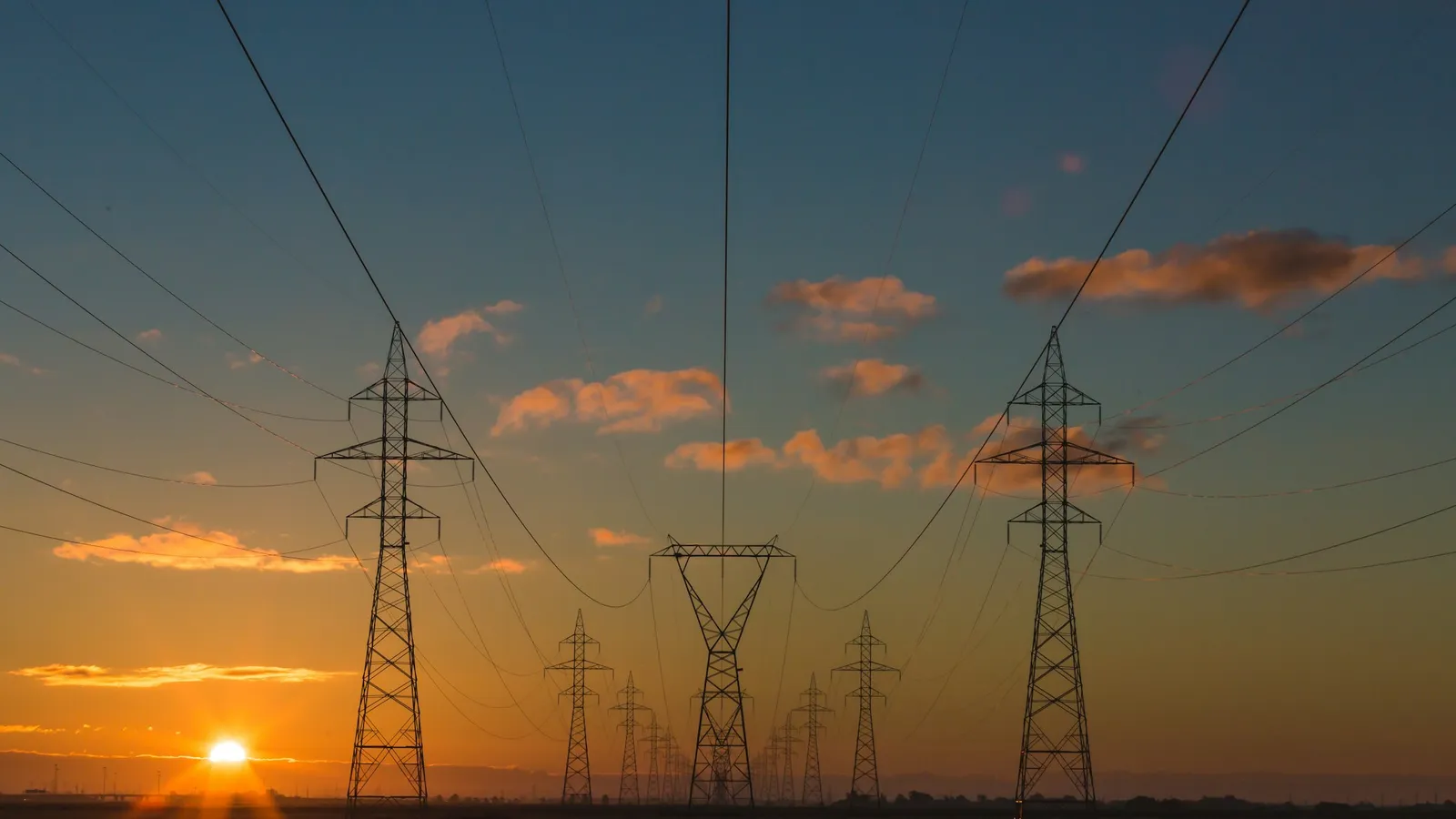
After months of talks, the two owners of the Itaipú dam agreed a tariff of US$19.28 per kilowatt a month for 2024 to 2026, new rights for Paraguay to sell its power in Brazil, and a deadline to rewrite the dam’s financial rules.
On May 9, 2024, President Santiago Peña announced that Paraguay and Brazil had reached what he called a historic agreement on Itaipú, the giant hydroelectric dam the two countries own together on the Paraná river. Brazil's Minister of Mines and Energy, Alexandre Silveira, had already announced the deal two days earlier, on May 7, after meeting Peña, although Paraguayan officials were careful at the time to say a few details were still open.
The agreement settles a dispute that had dragged on since late 2023 over what Itaipú should charge for its electricity.
Itaipú was created by a treaty signed by Paraguay and Brazil on April 26, 1973. The dam has 20 generating units of 700 megawatts each, around 14,000 megawatts in total, and each country is entitled to half of what it produces. Paraguay has always used only a fraction of its half. Under the treaty, the energy it does not use is ceded to Brazil, and Paraguay receives compensation for it.
The price that both countries pay for Itaipú's power is known as the tariff, or in technical terms the unit cost of electricity services. It is expressed in US dollars per kilowatt of contracted power per month. The tariff has to cover the dam's operating and maintenance costs, the royalties and other payments set out in the treaty, and, until recently, the repayment of the debt taken on to build it. That construction debt was fully paid off in February 2023, which is why Brazil argued the tariff should fall and Paraguay argued the savings should instead fund development.
According to the text of the understanding published in the Paraguayan press, the main points are:
To keep Brazilian electricity bills from rising, Brazil said its state company ENBPar would pay the new tariff while distributors continued to pay US$16.71, with the difference covered from Itaipú's Brazilian side.
Peña put the benefit to Paraguay at about US$1,250 million a year over the three years: roughly US$280 million in royalties, US$650 million for social investment, US$265 million in compensation for ceded energy and US$53 million in capital returns for ANDE, the state electricity company. He said the money would go to children's health, food and education centres, security, three new hospitals in the interior, rural roads, public transport and the power grid.
The right to sell power directly in Brazil may matter more over time. For decades Paraguay has handed over most of its share at a regulated price. Being able to sell into a competitive market, or to keep the power at home, gives the country real choices about its most valuable resource.
Peña framed the coming Annex C talks around exactly that choice: whether Paraguay keeps exporting surplus electricity or uses more of its half to industrialise. Almost all of the country's electricity is hydroelectric, and the dam's debt is gone. If the tariff falls towards operating cost from 2027, the cost of Itaipú power to ANDE would be expected to fall too, which matters for energy intensive businesses such as manufacturing, agro processing and data centres that are deciding where to locate.
Paraguay's grid still needs heavy investment, and much depends on the final wording of Annex C. But the direction of travel is clear: Paraguay now has more control over the price and the destination of its power than at any time since the treaty was signed.
For most people looking at Paraguay residency, the appeal is practical: a temporary residency that requires no investment, a territorial tax system that generally leaves foreign income untaxed, and a path to citizenship after three years of permanent residency. The Itaipú agreement adds to the picture. It brings a large and predictable flow of public money for infrastructure over the next three years, and it strengthens the case for Paraguay as a place to run businesses that need reliable, renewable electricity.
The Annex C negotiation is the next thing to watch. We help clients apply for residency, work with our local team for company and tax questions, and quote our fees in writing.
This article is general information, not legal, tax or investment advice.
Paraguay produces far more clean electricity than it uses. Bitcoin miners found it first. Now the AI industry is arriving, and the government wants a seat at the table.
Read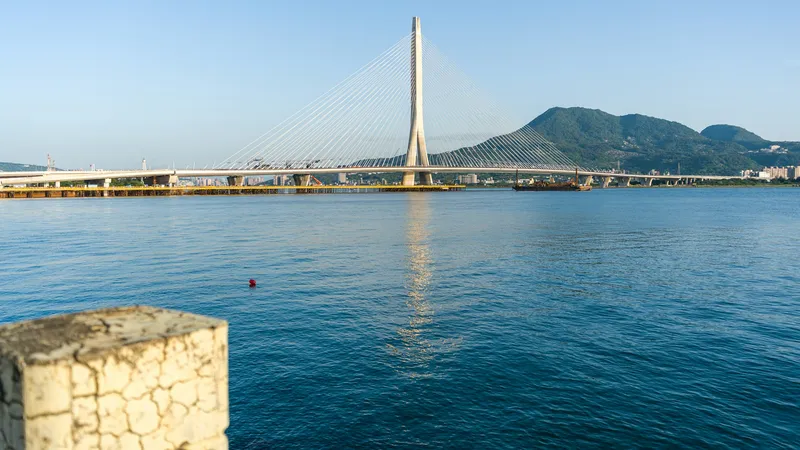
The final concrete segment of the bridge between Carmelo Peralta and Porto Murtinho was poured on July 15, closing the last gap in a road meant to link Brazil’s farm belt to Chile’s Pacific ports through the Paraguayan Chaco.
Read
From July 6, 2026, Resolution 407 requires anyone converting temporary residency to permanent in Paraguay to prove lawful, active means of support under one of twelve categories. Temporary residency is unchanged.
ReadThis is a big decision, and there is a lot of information to take in. That is why we start with a free 15 minute call: we look at your situation and your goals, then tell you which programs genuinely fit you, and which do not. We never push one program over another. If staying where you are is your best move, we will tell you that and sell you nothing.