
Paraguay’s power play: cheap hydro and the AI race
Paraguay produces far more clean electricity than it uses. Bitcoin miners found it first. Now the AI industry is arriving, and the government wants a seat at the table.
Read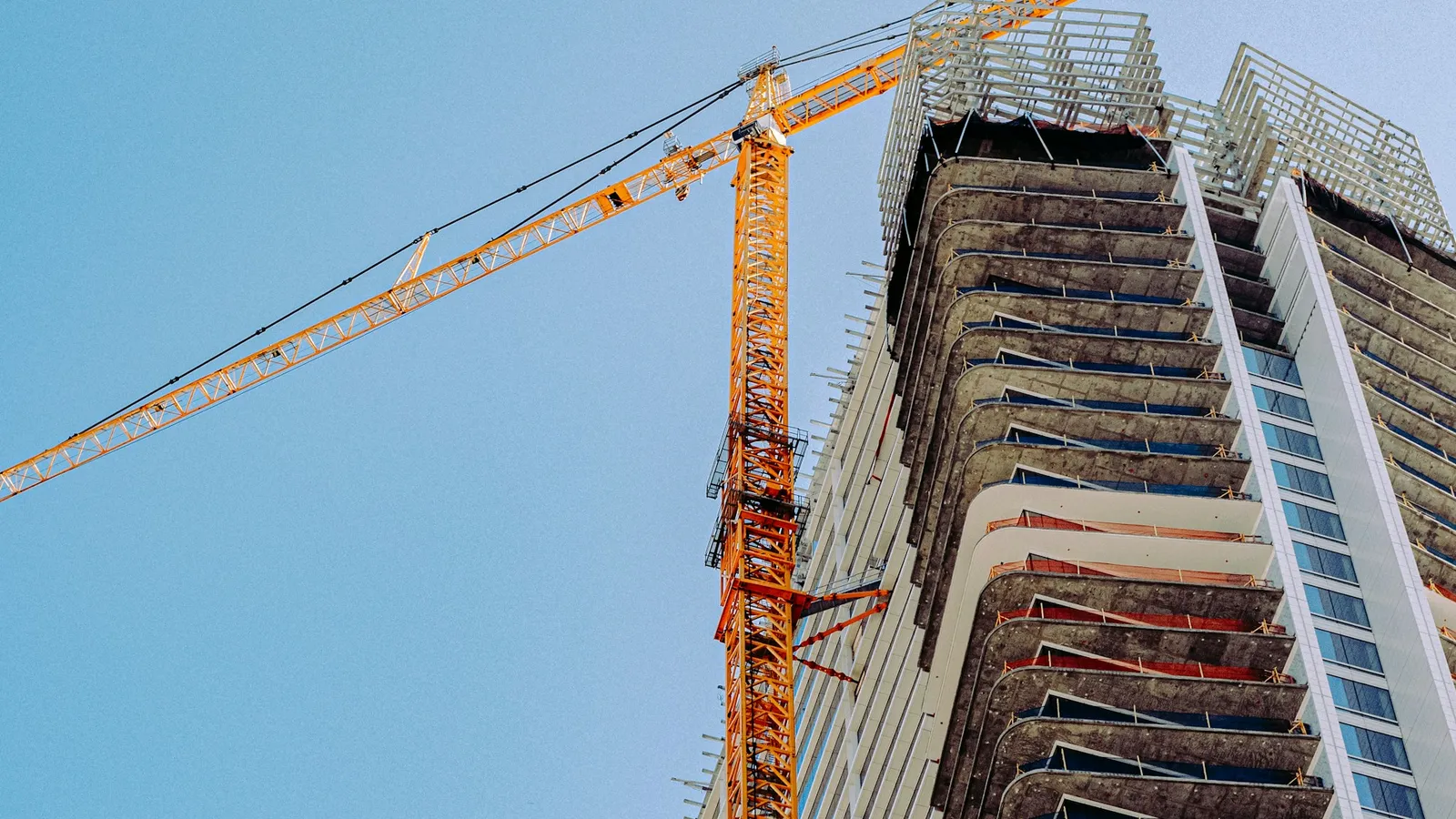
Paraguay’s chamber of real estate developers has warned about new foreign developers without solvency after complaints over unfinished towers. A practical guide to vetting a project before paying a deposit.
Many new apartments in Paraguay are sold off plan, or en pozo as it is known locally: the buyer pays in instalments while the building goes up, usually at a lower price than a finished unit. It is a common and often sensible way to buy. It also means that, until the keys are handed over, the buyer is in effect financing the developer.
On April 29, 2026, Raúl Constantino, president of Capadei, the Paraguayan Chamber of Real Estate Developers, used a television interview to warn about foreign developers arriving in Paraguay with no track record and no financial solvency. If buyers' projects are not delivered on time, he said, confidence in the market could suffer, and he urged the oversight authorities to look at the solvency behind each construction.
The warning came alongside complaints, reported by Última Hora, from buyers in several Asunción projects of one foreign owned developer. Some buildings were due as early as 2023 and remain unfinished, and others have not started. One detail stands out: the firm had been cleared to operate on the stock exchange, which buyers took as a sign of reliability.
The lesson is not that off plan buying is unsafe. It is that no single approval proves a building will be finished. The risk sits with the developer, so the developer is what needs checking. Capadei itself only admits companies that have completed at least two developments, according to a 2024 InfoNegocios report.
Paraguay's new Investor Pass, set out in Resolution 0283 of April 2026, offers permanent residency through a property investment of at least US$200,000. The investment can be shown with a notarised private purchase contract on which at least 30% of the price has been paid, so property still under construction can qualify. Homes for personal or family use do not count.
That makes off plan purchases a realistic route to residency, and it makes the checks above more important. A deposit of 30% on a US$200,000 unit is US$60,000 paid before the building exists, and the property has to stand up both as an investment and as the basis of your application.
Buying off plan can work well, provided you choose the developer as carefully as the apartment. Our real estate due diligence service in Paraguay checks the title and ownership of the land at the registry, the cadastral records, liens and unpaid taxes, the permits, the developer's track record and where your payments are held, with the contract reviewed by a licensed lawyer in our local team and a written recommendation at the end. If the purchase is part of a residency plan, our Paraguay residency program, including the Investor Pass route, covers the application with a fixed fee quoted in writing.
This article is general information, not legal, tax or investment advice.
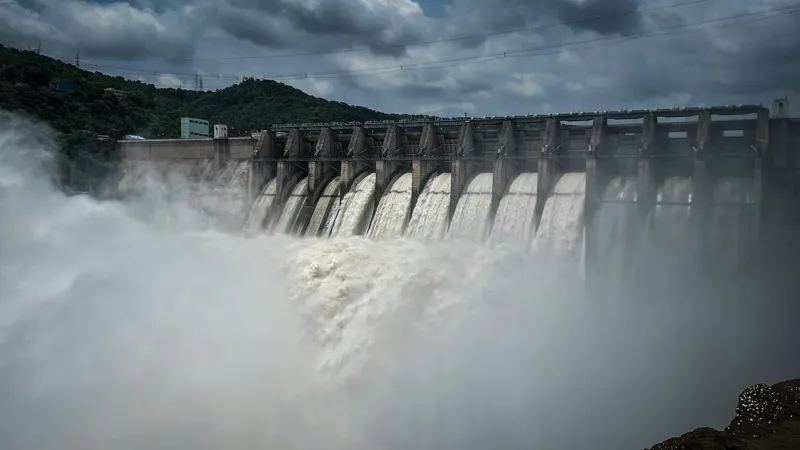
Paraguay produces far more clean electricity than it uses. Bitcoin miners found it first. Now the AI industry is arriving, and the government wants a seat at the table.
Read
The final concrete segment of the bridge between Carmelo Peralta and Porto Murtinho was poured on July 15, closing the last gap in a road meant to link Brazil’s farm belt to Chile’s Pacific ports through the Paraguayan Chaco.
Read
From July 6, 2026, Resolution 407 requires anyone converting temporary residency to permanent in Paraguay to prove lawful, active means of support under one of twelve categories. Temporary residency is unchanged.
ReadThis is a big decision, and there is a lot of information to take in. That is why we start with a free 15 minute call: we look at your situation and your goals, then tell you which programs genuinely fit you, and which do not. We never push one program over another. If staying where you are is your best move, we will tell you that and sell you nothing.