
Dubai property after the Iran war: a buying window?
Prices have eased 5% to 15% since the end of 2025 and sales are down sharply, while the very top of the market keeps trading. A look at what the data shows, and the risks on both sides.
Read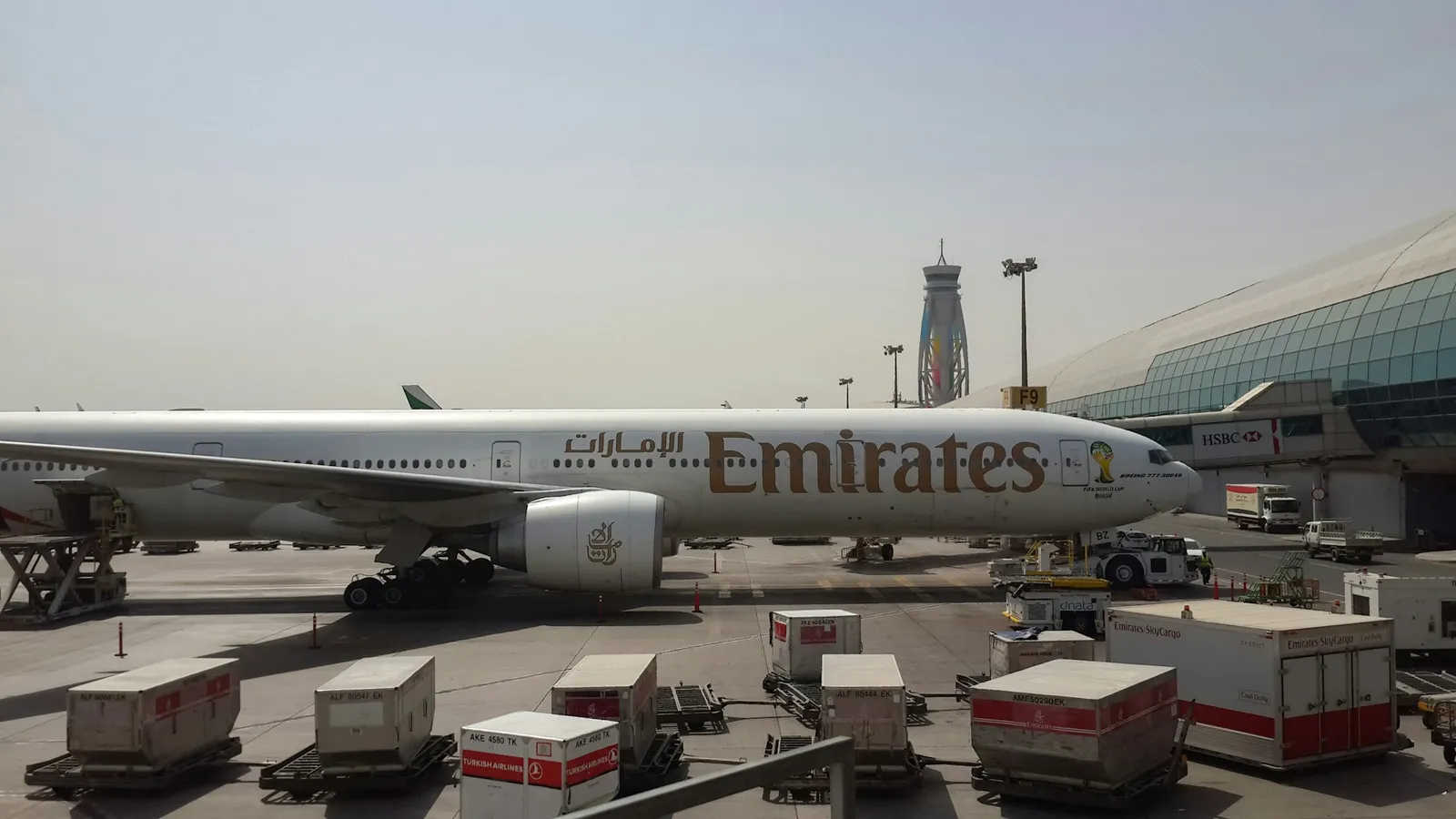
Home / The Brief / United Arab Emirates
United Arab Emirates · Residency · · 6 minute readTwo weeks into the conflict, UAE residence rules are unchanged. The government has waived overstay fines for people unable to fly and lets residents stranded abroad return on expired permits until March 31.
On February 28, 2026, the United States and Israel launched strikes on Iran. Iran answered with missiles and drones aimed at Israel and at Gulf states that host American forces, including the UAE. Most were intercepted by UAE air defences, but some got through, and Dubai International Airport was among the sites damaged. The UAE closed its airspace, Emirates and Etihad stopped flying, and large numbers of travellers were stuck on the ground.
Two weeks on, the situation is still moving. Iran closed the Strait of Hormuz, the narrow sea lane at the mouth of the Gulf that carries around a fifth of the world's oil, on March 4. On March 12 the international benchmark oil price, Brent crude, settled above US$100 a barrel for the first time since 2022. Flights have restarted on reduced schedules, but drones have reached the edge of Dubai's main airport more than once, and several foreign airlines have suspended Dubai services until late March or longer.
For anyone who holds UAE residency, or was about to apply, the practical questions are narrower: what happens if I cannot get back, what if I cannot get out, and have the rules changed?
No change to the eligibility rules for any UAE residence category has been announced since the conflict began. The 10 year Golden Visa, the long term residence permit open to property investors, entrepreneurs and specialists, still carries no minimum stay. Holders can be outside the country for long periods without putting the visa at risk.
Standard two year residence visas work differently. In normal times they lapse if the holder spends more than six months in a row outside the UAE. That rule still stands, but for most people abroad today six months is a long way off. The bigger risk is a permit that reaches its expiry date while its holder is stuck overseas, and the government has now addressed that directly.
The Federal Authority for Identity, Citizenship, Customs and Port Security, known as the ICP, is the federal body that issues visas and Emirates ID cards. It has announced two temporary measures, both backdated to February 28.
The ICP has said its airport teams and service centres are running emergency and business continuity plans, and has asked people to follow official channels for further updates. Both measures are temporary, and the March 31 date may be extended or left to expire. Anyone relying on them should check the ICP's own announcements before travelling.
Reports from the first two weeks describe a population that is cautious rather than in flight. Tourists and non essential diplomats have left in large numbers. Many expatriate residents have stayed, working from home while alerts continue, then gradually returning to offices once working from home was no longer required. Schools taught online for the first week before breaking for the spring holiday. Some families have sent children to relatives abroad for a few weeks, with the stated plan of coming back.
For those who need to travel, the main worry is logistics rather than legal status: fewer and dearer flights, disrupted connections through other Gulf hubs, and schedules that change at short notice.
The legal framework for living in the UAE is unchanged, and the government's first moves have been to protect residents and visitors from penalties caused by the disruption. That is worth noting. What no one can say yet is how long the conflict will last or what it will do to daily life, travel and the wider economy.
For people weighing the UAE as one base among several, this is a reminder of why diversification matters in the first place. A Golden Visa with no minimum stay is very different from a two year visa that depends on regular presence, and both are different from holding a second residency elsewhere. If you are mid application, the sensible course is to keep your documents current and wait for flights to settle. We help clients apply, work with our local team, and quote our fees in writing.
This article is general information, not legal, tax or investment advice.
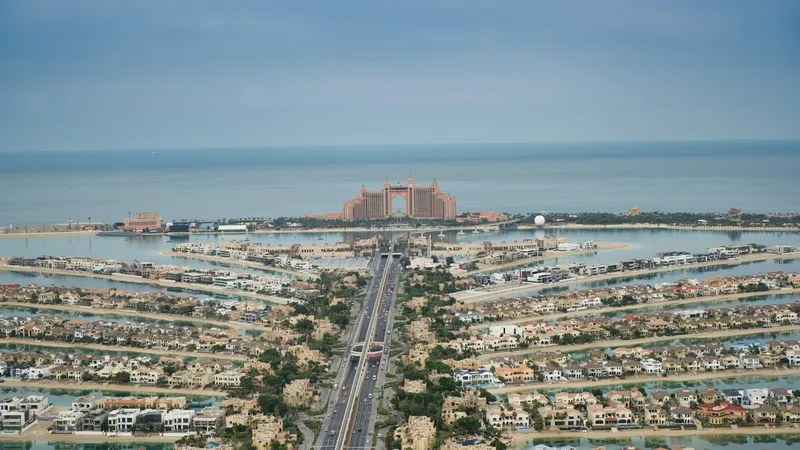
Prices have eased 5% to 15% since the end of 2025 and sales are down sharply, while the very top of the market keeps trading. A look at what the data shows, and the risks on both sides.
Read
Companies with revenue up to AED 3 million can keep electing to pay no UAE corporate tax for three more years. The relief was due to end with tax periods closing on 31 December 2026.
Read
A sole owner of completed property in Dubai can now apply for the two year property investor visa whatever the property is worth. The old AED 750,000 floor is gone; joint owners need AED 400,000 each.
ReadThis is a big decision, and there is a lot of information to take in. That is why we start with a free 15 minute call: we look at your situation and your goals, then tell you which programs genuinely fit you, and which do not. We never push one program over another. If staying where you are is your best move, we will tell you that and sell you nothing.