
UAE extends small business relief to the end of 2029
Companies with revenue up to AED 3 million can keep electing to pay no UAE corporate tax for three more years. The relief was due to end with tax periods closing on 31 December 2026.
Read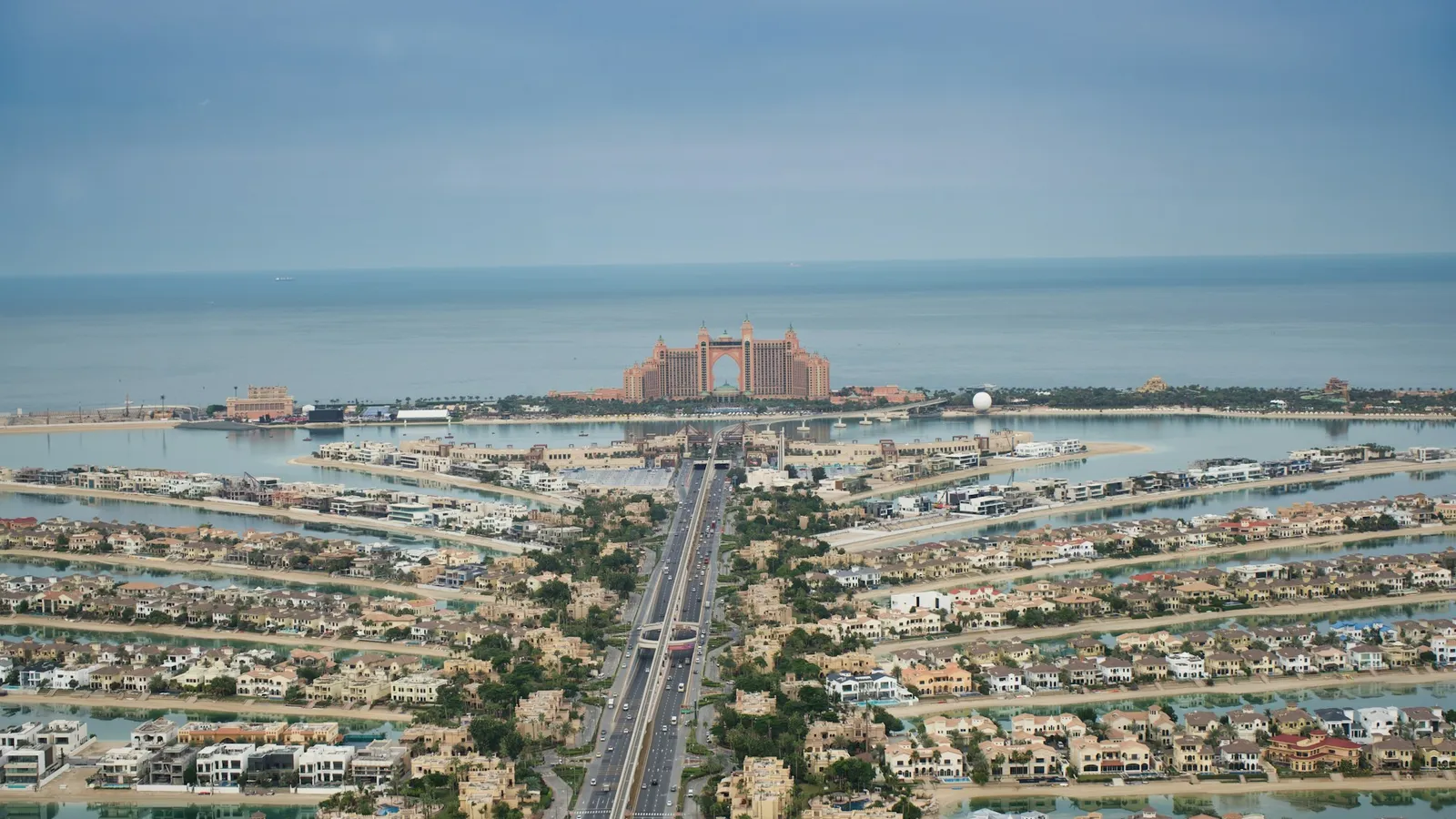
Home / The Brief / United Arab Emirates
United Arab Emirates · Economy · · 7 minute readPrices have eased 5% to 15% since the end of 2025 and sales are down sharply, while the very top of the market keeps trading. A look at what the data shows, and the risks on both sides.
Eight months after the Iran war began on February 28, Dubai's property market looks very different from the one that set records between 2021 and 2025. Sales have fallen hard, some sellers have cut deeply, and rating agencies talk openly about a correction. At the same time, the most expensive homes in the city are still changing hands at a pace that would have been a record only a few years ago.
Is this a window for long term buyers? The data supports both a cautious view and an optimistic one, and which matters more depends on what you are buying and why.
Knight Frank's head of research for the region called the "stop start" nature of the conflict the main drag on confidence. Buyers have not disappeared, but many are waiting to see whether the next lull holds.
Prices are lower than at the start of the year, sellers are more willing to negotiate, and developers are offering incentives such as revised payment plans and waived registration fees. For someone buying a home to live in, or to hold for many years, entry price matters more than short term noise.
Residency rules have also moved in buyers' favour. Since April, a sole owner of completed property in Dubai can apply for the two year property investor visa with no minimum property value; joint owners need a share worth AED 400,000 each. Property with a combined registered value of AED 2 million or more still qualifies for the 10 year Golden Visa, the long term residence permit that carries no minimum stay, and off plan or mortgaged property can count towards that figure. Lower prices mean more homes now clear those thresholds for the same budget, or the same home costs less.
S&P also credits long term owners, tighter regulation and government support with limiting the fall so far.
A softer market can suit a buyer with a long horizon, a clear reason to own in Dubai, and no need to sell quickly. It suits short term investors much less, particularly in off plan apartments, where new supply is heaviest. Whether now is the right moment depends on your own finances, plans and tolerance for further volatility, and nobody can call the bottom of a market.
If residency is part of the reason to buy, the property still has to fit the visa: completed and in your own name for the two year route, or AED 2 million or more in registered value for the Golden Visa. Check the title, the developer's delivery record and the true rental outlook before you commit. We help clients review property against the residency rules, work with our local team, and quote our fees in writing.
Buying property as part of a residency or citizenship plan? Our real estate due diligence service checks the title, the developer and the valuation before you commit, so the purchase also satisfies the visa rules.
This article is general information, not legal, tax or investment advice.

Companies with revenue up to AED 3 million can keep electing to pay no UAE corporate tax for three more years. The relief was due to end with tax periods closing on 31 December 2026.
Read
A sole owner of completed property in Dubai can now apply for the two year property investor visa whatever the property is worth. The old AED 750,000 floor is gone; joint owners need AED 400,000 each.
Read
Work has started on the tunnels for the AED 20.5 billion Blue Line, a 30 km, 14 station metro due to open on 9 September 2029. Which districts it serves, how transit tends to move property values, and what to check before buying.
ReadThis is a big decision, and there is a lot of information to take in. That is why we start with a free 15 minute call: we look at your situation and your goals, then tell you which programs genuinely fit you, and which do not. We never push one program over another. If staying where you are is your best move, we will tell you that and sell you nothing.