From August 1, 2025, São Tomé and Príncipe has a citizenship by investment program. The legal basis is Decree Law 07/2025, which regulates nationality by investment or donation. It was approved by the Council of Ministers on May 10, promulgated by President Carlos Vila Nova on July 28 and came into force at the start of August. A single applicant can qualify with a contribution of US$90,000, and a family of up to four with US$95,000, which makes it the least expensive program of its kind currently on offer.
Where São Tomé and Príncipe is
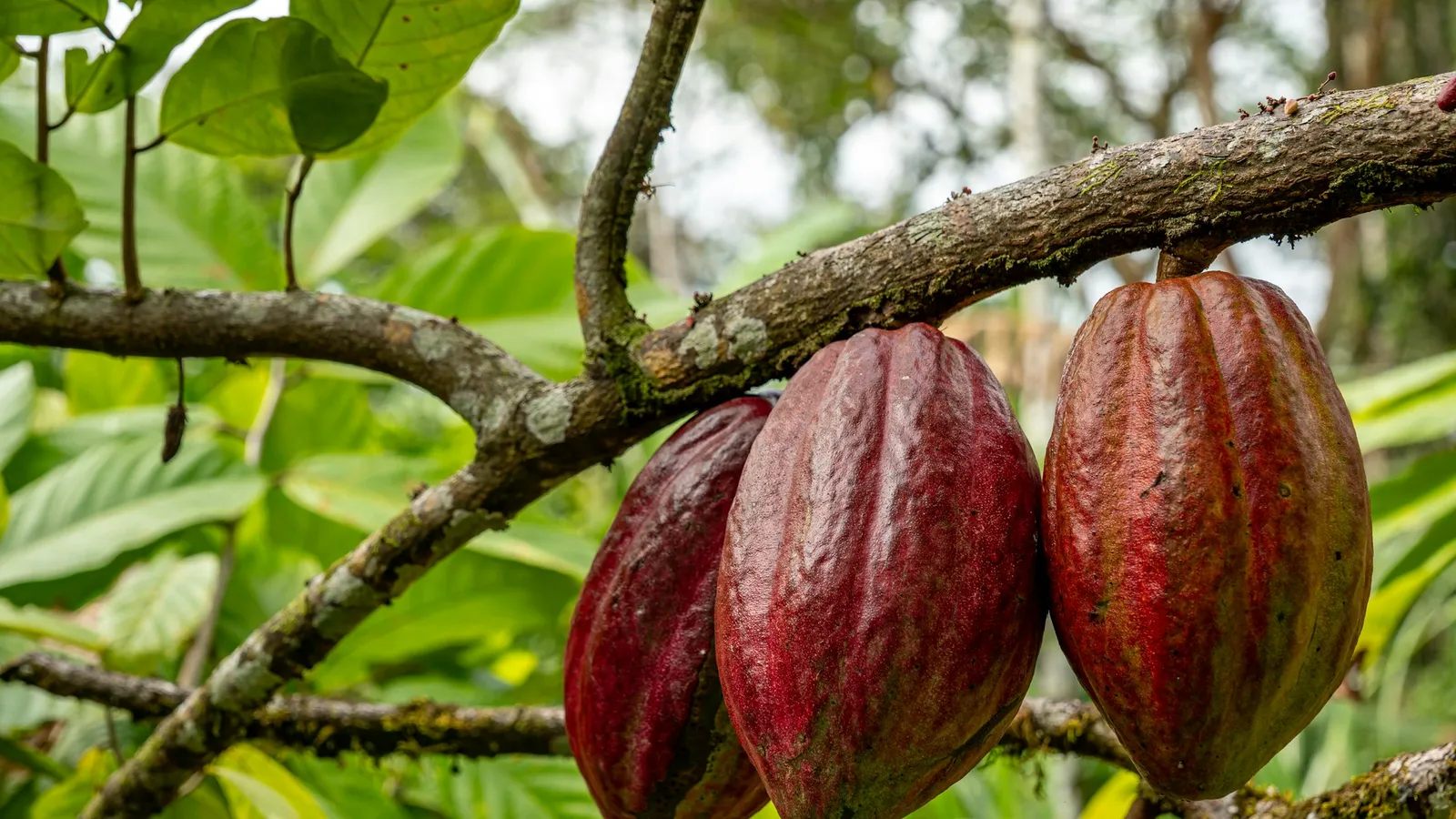
São Tomé and Príncipe is a two island nation in the Gulf of Guinea, off the west coast of Central Africa, with a population of around 240,000. It was a Portuguese colony until independence in 1975, Portuguese is the official language, and it is a member of the Community of Portuguese Language Countries alongside Portugal, Brazil, Angola and others. It is known for cocoa, rainforest and very low tourist numbers.
It is also one of the smallest economies in Africa. Growth has depended heavily on foreign aid and externally financed public spending, aid flows are declining, and the country has struggled with expensive and unreliable electricity. A program that brings in hard currency without new debt has obvious appeal for a government in that position.
How the program works
- Contribution: US$90,000 for a single applicant or US$95,000 for a family of two to four, paid to a new National Transformation Fund after approval in principle. Each further dependant adds US$5,000. The contribution is not refundable.
- Fees: a one time submission fee of US$5,000, plus government charges after approval of US$350 for the passport, US$150 for the national identity card and US$250 for the certificate of registration, per person.
- Family: spouses, unmarried financially dependent children up to age 30, and parents over 55 can be included.
- Requirements: no interview and no residence requirement. Dual citizenship is permitted.
- Processing: officials are targeting about six weeks. Applications open in the first week of September.
The fund's first stated project is renewable energy infrastructure. The decree also lists grid expansion, a deep water port, airport modernisation, housing, education, health and tourism as priorities.
Who runs it and how applicants are checked
Applications are handled by a dedicated citizenship unit set up as a public private partnership with headquarters in Dubai. Alfredo Trinidade, head of the country's trade and investment promotion agency, described it as combining private sector efficiency with government oversight. Portuguese news agency Lusa reported that the government has signed a 10 year concession with a Dubai incorporated company to administer the program, with revenue split 56% to the state and 44% to the partner.
Under the decree, independent firms carry out due diligence on each applicant, covering the legality of funds and compliance with international rules against money laundering and terrorist financing. Files then go to the Public Prosecutor for approval. The government can refuse applicants from countries under international sanctions or without effective judicial cooperation.
The risks of being early
A low price is only part of the picture. New programs carry particular risks.
- Banking familiarity. Few banks have seen a São Tomé passport from an investor. Expect questions when you present it for account opening, at least in the early years.
- No track record. Processing times, approval rates and how officials handle renewals abroad will only become clear as the first files move through. The country does not yet have an embassy in the Gulf, although one is planned for Abu Dhabi.
- Travel access. The passport offers visa free or visa on arrival entry to around 61 destinations, according to industry figures. The Schengen area and the United Kingdom require visas.
- Political risk. The main opposition party, the MLSTP, has objected that the decree was adopted without consulting parliament or civil society and has called for it to be repealed. Programs created by decree can be changed by decree.
What it means if you are considering it
For a family wanting a second citizenship at the lowest possible cost, with parents included, São Tomé and Príncipe is now the cheapest route available. It suits people who value a Plan B citizenship more than travel reach, and who are comfortable being among the first applicants to a new program.
If you need a passport with a long record for banking or European travel, an established Caribbean program is the more conservative choice. We help clients weigh those trade offs, apply through our local teams, and quote fixed fees in writing.
This article is general information, not legal, tax or investment advice.