El Salvador has passed its first formal check under its agreement with the International Monetary Fund (IMF), the Washington based institution that lends to countries in return for agreed economic reforms. On June 27, 2025, the IMF's Executive Board, the body of national representatives that approves its lending decisions, completed the first review of the program and released SDR 86.16 million, about US$118 million. SDRs, or special drawing rights, are the IMF's own unit of account, based on a basket of major currencies.
The money itself matters less than the verdict that comes with it. The IMF described program performance as solid and said the key fiscal and international reserve targets had been met with margins, meaning El Salvador did better than the minimum it had committed to.
What the review covered
The program was approved on February 26, 2025. It is a 40 month arrangement under the Extended Fund Facility, the IMF's tool for countries working through longer term structural problems, worth about US$1.4 billion in total. Money is released in instalments, each after a successful review. With today's payment, El Salvador has received about US$231 million so far. The IMF expects support from other lenders, including the World Bank and the Inter American Development Bank, to bring total financing to more than US$3.5 billion over the life of the program.
Alongside the review, the board concluded the 2025 Article IV consultation, the regular health check the IMF carries out on each member economy.
Nigel Clarke, the IMF's Deputy Managing Director, said the program "had an auspicious start". He noted that the economy continues to expand, inflation has moderated further and the current account deficit, the gap between what the country earns from abroad and what it spends, has narrowed.
The reforms already delivered
IMF reviews check actions as well as numbers. For this one, El Salvador:
- Enacted a new fiscal sustainability law, which sets rules to keep the budget on a sustainable path.
- Issued a presidential decree limiting exceptions to the procurement law, so that more public purchasing goes through standard competitive rules.
- Published financial information on its largest state owned enterprises.
- Made information on public contracts easier to access.
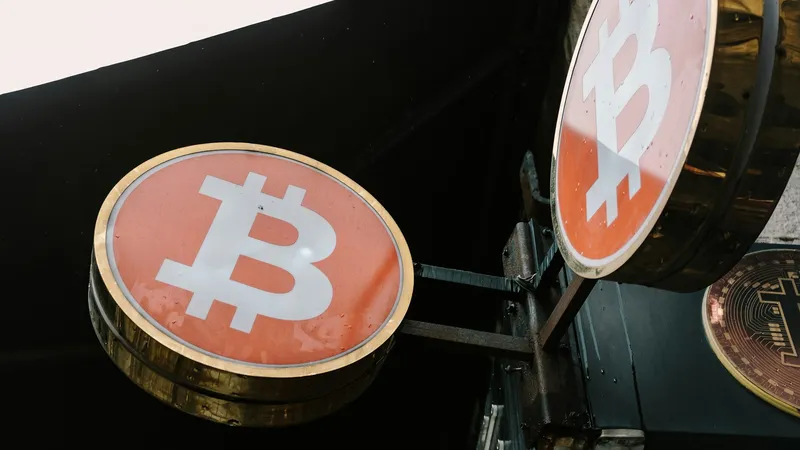
On bitcoin, the IMF said steps continue to reduce the related risks and to wind down the public sector's role in Chivo, the government's digital wallet. Since January, businesses have no longer been required to accept bitcoin, and taxes are paid only in US dollars, the country's official currency since 2001.
The numbers behind the verdict
The IMF's own tables show steady progress:
- Budget deficit. The overall public sector deficit is projected to fall from 4.5% of GDP in 2024 to 3.0% in 2025.
- Reserves. Gross international reserves, the foreign currency buffer that protects a dollarised economy from shocks, are projected to rise from about US$3.7 billion in 2024 to about US$4.25 billion this year.
- Inflation. Average inflation was 0.9% in 2024 and is projected at about 1% in 2025.
- Growth. The economy grew 2.6% in 2024, with 2.5% projected for 2025.
Public debt remains high, estimated at 87.5% of GDP in 2024, and bringing it down is the program's central purpose. The board encouraged further restraint on the public wage bill, and later reforms to the civil service and pensions, so that priority social and infrastructure spending can be protected while debt falls.
A broader turnaround
Today's review adds to a run of encouraging signals. In November 2024 Moody's, one of the three major credit rating agencies, raised El Salvador's rating from Caa1 to B3 after the government bought back part of its foreign debt early, easing repayment pressure for several years. When the IMF approved the program in February, it pointed to an economy expanding on the back of strong remittances, money sent home by Salvadorans abroad, along with tourism and a greatly improved security situation. In today's assessment, the board said better domestic security offers a unique opportunity to lift growth, and encouraged steps to attract foreign direct investment, close infrastructure gaps and protect investors.
The IMF also flagged what could go wrong. Rising global trade tensions and tighter immigration policies in other countries could reduce remittances, so it urged the government to keep contingency plans ready.
What it means for Freedom Visa holders and investors
El Salvador's Freedom Visa grants citizenship for a US$1 million contribution paid in bitcoin or USDT, a digital token designed to hold a value of one US dollar. Anyone holding or considering that passport has a long term interest in the country's finances, and an IMF program running on schedule is one of the clearest signs of stability a smaller economy can show. Lower deficits, larger reserves and more transparent public accounts all make the country more predictable for people who invest, bank or spend time there.
The review also calls for stronger liquidity buffers at banks and closer supervision of the financial sector, which supports the safety of local deposits. Even so, a dollarised banking system is one part of a sensible setup, not the whole of it. Our international banking service helps clients open primary and backup accounts across jurisdictions, and for the Freedom Visa we help clients apply, work with our local team and quote our fixed fee in writing.
This article is general information, not legal, tax or investment advice.