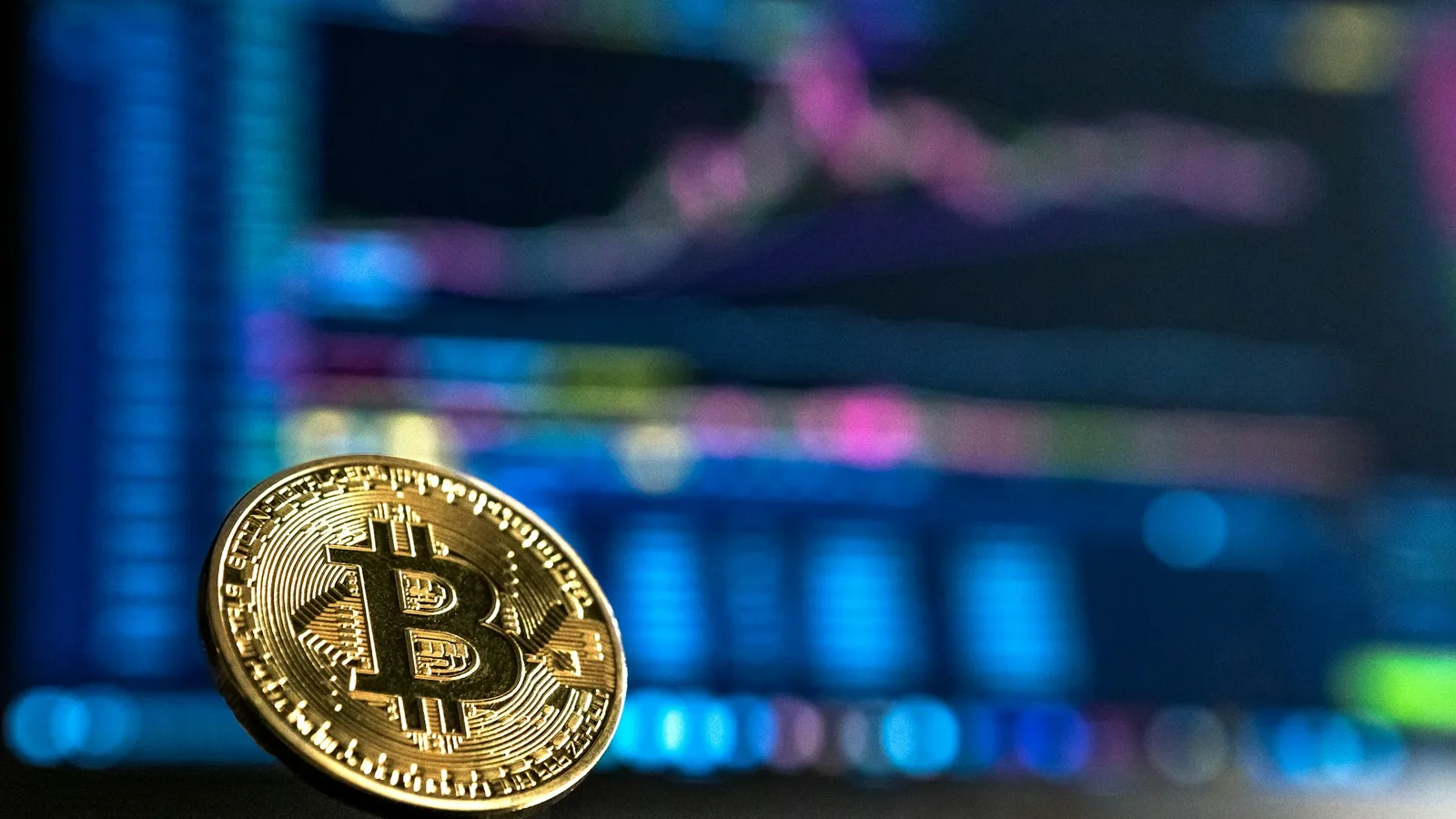
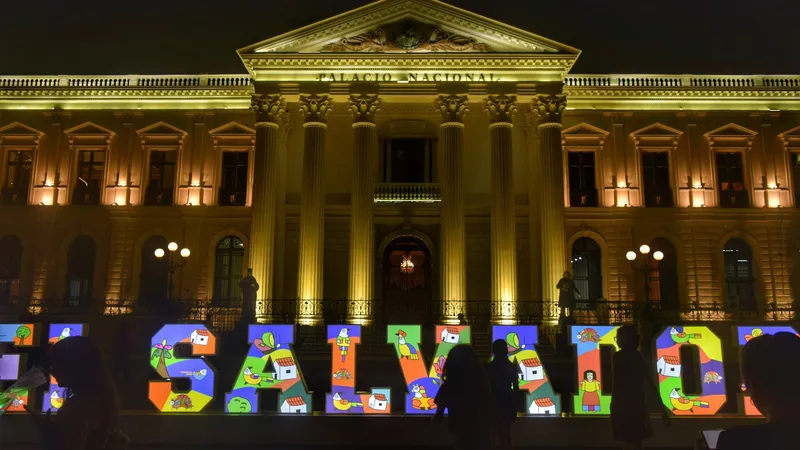
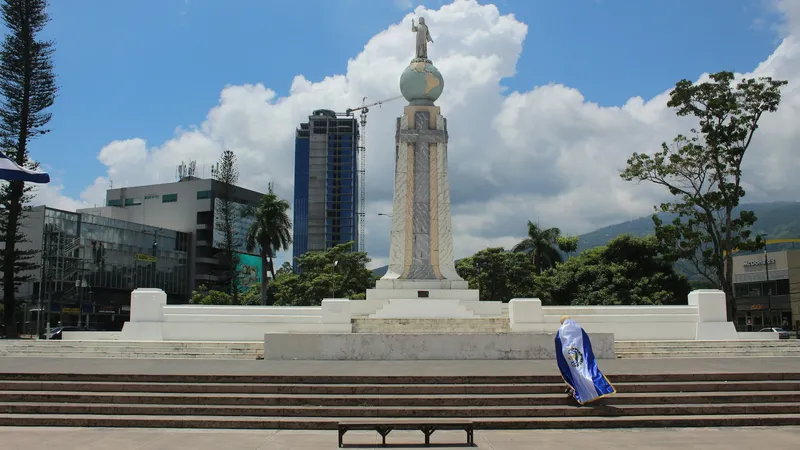
On December 7, 2023, the government of El Salvador announced a new investor program called the Freedom Visa. It offers residency and a fast route to Salvadoran citizenship and a passport to people who contribute US$1 million, paid not in dollars but in bitcoin or USDT. The program is capped at 1,000 participants a year, and the technology partner is Tether, the company behind the world's largest stablecoin.
It is the first time a country has built an investor citizenship route around digital assets from the ground up, and it fits neatly into the policy direction El Salvador has taken since 2021.
How the program works
The headline terms are simple. An applicant commits US$1 million in bitcoin or USDT. The process begins with a deposit of US$999, which is not refundable but is credited toward the full amount. Successful applicants receive residency and are put on an accelerated path to citizenship and a Salvadoran passport.
The government describes the target applicant as someone who can contribute to the country's economic, social and cultural development, and says the funds will support those areas. The annual cap of 1,000 places means the program could raise up to US$1 billion a year if every slot were filled. That would be a large sum for an economy of around 6 million people.
Vice Minister of Foreign Affairs Adriana Mira said the program offers individuals a chance to take part in building the country's future. Tether's chief executive, Paolo Ardoino, framed his company's role as support for communities pursuing financial freedom and innovation.
Who Tether is and why it is involved
Tether issues USDT, a stablecoin. A stablecoin is a digital token designed to hold a steady value, in this case one US dollar per token, backed by reserves the issuer holds. USDT is the most widely used stablecoin in the world and is often the bridge between ordinary currency and the wider crypto market.
As technology partner, Tether provides the payment infrastructure, so contributions can move directly from the applicant's wallet to the government's. Allowing USDT alongside bitcoin matters in practice. Bitcoin's price can move sharply in a single day, while USDT tracks the dollar, so an applicant can lock in the exact amount without exposure to swings during the process.
The bitcoin policy behind it
El Salvador made bitcoin legal tender in September 2021 under President Nayib Bukele, the first country in the world to do so. Legal tender means businesses were required to accept it as payment alongside the US dollar, which El Salvador has used as its official currency since 2001. The government has since bought bitcoin for the national treasury, reported at around 2,381 coins at the time of this launch, and set up a National Bitcoin Office to promote the policy.
The policy has drawn criticism from the International Monetary Fund and many economists, who point to the risks of price volatility for public finances. Supporters argue it has brought tourism, attention and new investors. In early December 2023, President Bukele said the treasury's bitcoin holdings had moved back into profit after a long period below their purchase price, a claim some observers disputed. The Freedom Visa is the government's attempt to turn that attention into direct investment.
How it compares
At US$1 million, the Freedom Visa is far more expensive than most citizenship by investment programs. Several Caribbean programs, such as those of Antigua and Barbuda, Dominica and St Lucia, start at around US$100,000. Malta's route, which leads to citizenship of a European Union country, costs about €750,000 once the main contribution is counted. Some commentators have called El Salvador's price uncompetitive. The National Bitcoin Office has taken the opposite view, saying it is underpriced given the country's unique position, and reported many dozens of applications within days of launch.
The program is not aimed at the price sensitive buyer. It is aimed at people who already hold significant digital assets and would like to convert part of them into a second citizenship without first selling into dollars.
What it means if you are considering it
- Payment is in crypto only. If you do not already hold bitcoin or USDT, this is not the natural route.
- Source of funds still matters. Paying in digital assets does not remove the need to show where the money came from. Expect to document how and when the assets were acquired.
- The program is brand new. The legal detail of the citizenship step and processing times will become clearer as the first applicants move through.
- Policy is tied to one government's strategy. The program sits inside a bitcoin policy that is closely associated with the current administration, and that is worth weighing for a long term decision.
For holders of significant digital assets who value a fast second citizenship in Central America, it is a genuinely new option. We help clients apply, work with our local team, and quote our fees in writing before any work begins.
This article is general information, not legal, tax or investment advice.