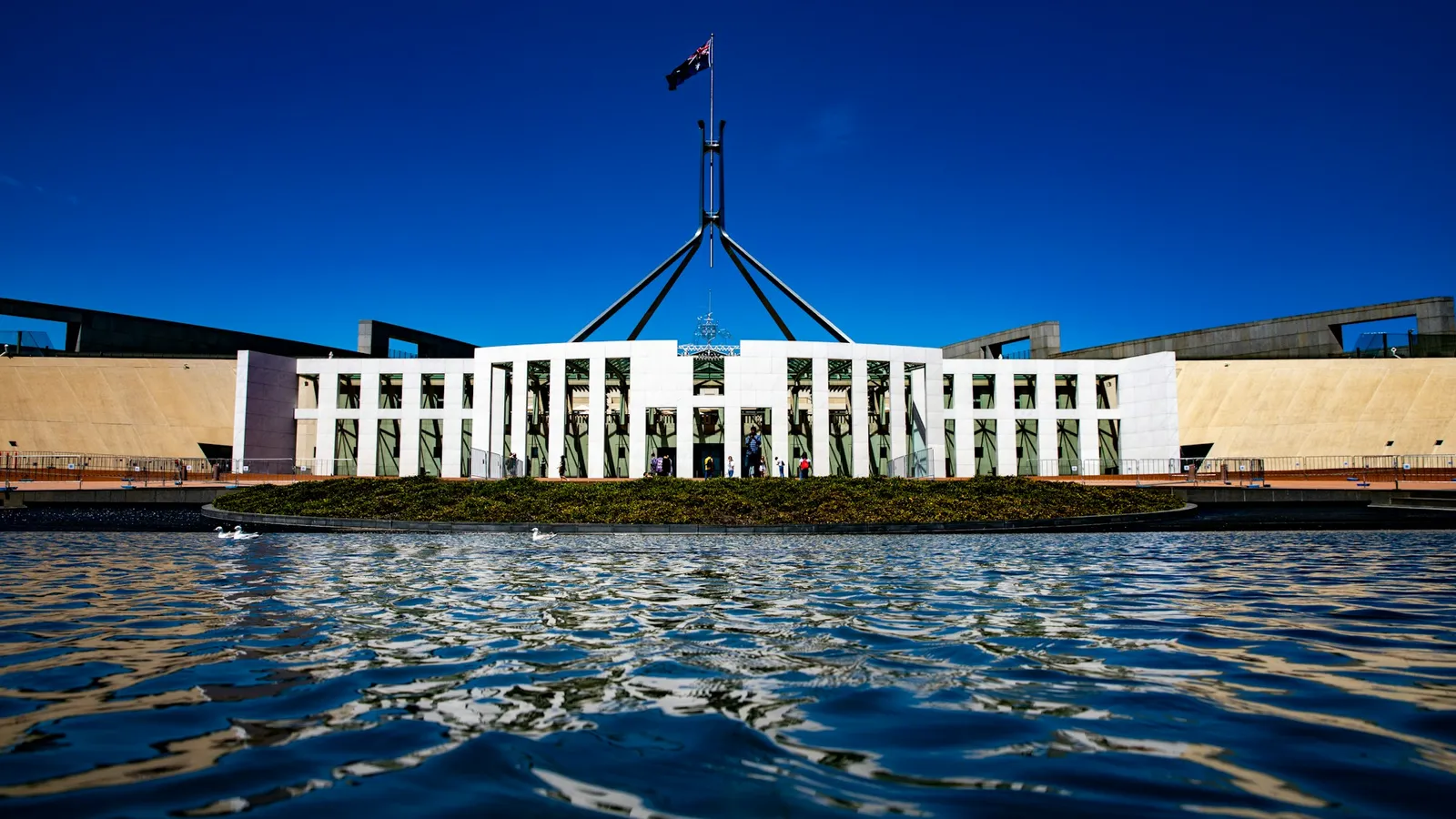
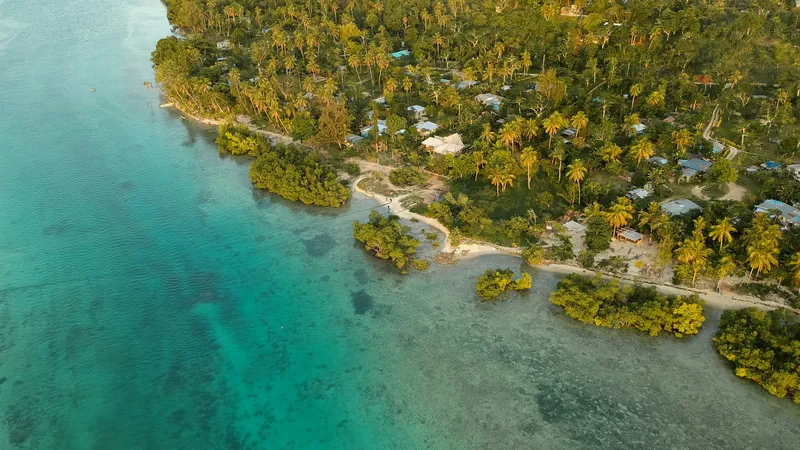
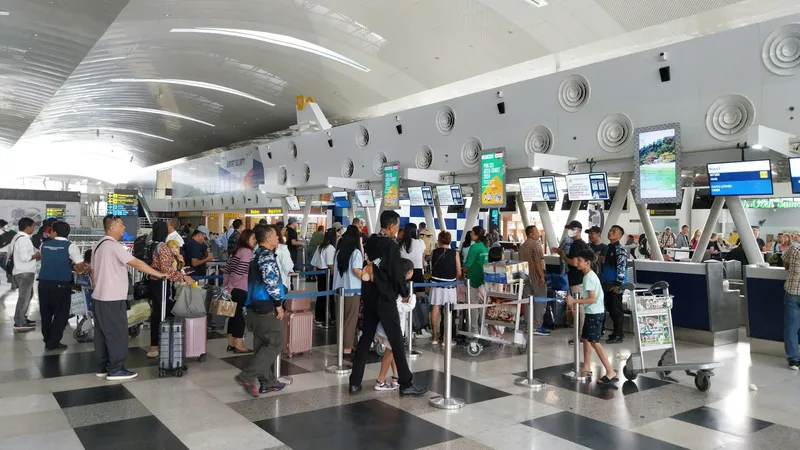
On June 29, 2026, Prime Minister Jotham Napat of Vanuatu and Prime Minister Anthony Albanese of Australia signed the Nakamal Agreement in Canberra. The treaty sets the framework for the relationship between the two countries across security, policing, disaster response, climate, the economy and, for the first time in a formal text, travel between them.
The name comes from the nakamal, the traditional meeting place in Vanuatu villages where people gather to discuss matters and settle differences. Albanese said the agreement was initiated at Vanuatu's request and elevates the relationship. Napat called the signing a significant step for both countries.
A long road to signature
The agreement took more than a year to finish. It replaces a 2022 bilateral security agreement that Vanuatu effectively set aside, and ministers initialled a new text at the summit of Mount Yasur, an active volcano on the island of Tanna, in August 2025. At that stage reporting put Australia's support at about A$500 million over ten years, covering climate resilience, infrastructure, security, labour mobility and budget support. Napat said at the time that visa free travel for Vanuatu citizens would be on the agenda.
The formal signing planned for September 2025 did not go ahead. Some members of Napat's coalition were uneasy about clauses that might limit Vanuatu's ability to work with other partners on infrastructure. The text signed today reflects nine months of further negotiation. Vanuatu will consult Australia on third party involvement in critical infrastructure, but according to the Associated Press Australia has no veto, unlike in the original draft. Albanese said the cost of the final package will be made public by December.
What the treaty says about travel
The travel provisions sit in Article 6, published by Australia's Department of Foreign Affairs and Trade:
- Article 6(1): Australia shall provide Vanuatu with enhanced mobility arrangements for Vanuatu visitors to Australia.
- Article 6(2): Vanuatu shall develop effective mechanisms to differentiate citizenship by investment from other forms of citizenship.
- Article 6(3): the two governments will review the mobility arrangements every year.
The government media release adds that the two countries will work on enhanced mobility arrangements and border systems that make travel between them easier, alongside a new traineeship program to build skills in Vanuatu's domestic workforce.
Three points deserve emphasis. First, the treaty does not grant visa free entry to Australia, and it does not define what enhanced mobility will mean in practice. Vanuatu citizens still need an Australian visa. Second, the agreement is not yet in force. Under Article 12 it takes effect only once both countries have completed their domestic processes and exchanged diplomatic notes confirming it. Third, the commitment is a starting point that is reviewed annually, which gives both sides a structured way to build on it.
The rest of the package
- Policing and security. Australia confirms its role as Vanuatu's main policing partner, with more training, equipment, maritime security, intelligence cooperation and cyber support.
- No foreign bases. Vanuatu will not allow any foreign military base or military infrastructure on its territory, and will keep critical infrastructure free from militarisation and foreign interference.
- Disasters. After a major natural disaster, Vanuatu will seek help first from Australia, New Zealand and France.
- Energy and budget. The countries will work together on renewable energy, including power for communities off the main grid, and Australia commits to budget support for economic and fiscal certainty.
What it means if you hold or are considering Vanuatu citizenship
The positive story is that Vanuatu has secured a treaty commitment from its largest partner to make travel to Australia easier, something its government has pressed for. Closer ties with Australia also bring budget support, policing help and development finance, all of which support stability in the country behind the passport.
The clause on citizenship by investment is the part to watch. Article 6(2) does not say how the differentiation will work, and it could be anything from internal record keeping to something more visible. It is reasonable to assume that whatever improved mobility Australia eventually offers may be designed with that distinction in mind, so investor citizens should not count on sharing in it. We will follow how Vanuatu implements the clause.
Nothing changes today for current or prospective applicants. The Development Support Program continues from a US$130,000 contribution for a single applicant, with no residence requirement. Visas are still required for Australia, the Schengen area and the United Kingdom. If Vanuatu interests you mainly as a fast, low cost Plan B citizenship rather than for travel to Australia, the case for it is unchanged. We help clients apply through authorised channels, work with our local team, and quote fixed fees in writing.
This article is general information, not legal, tax or investment advice.