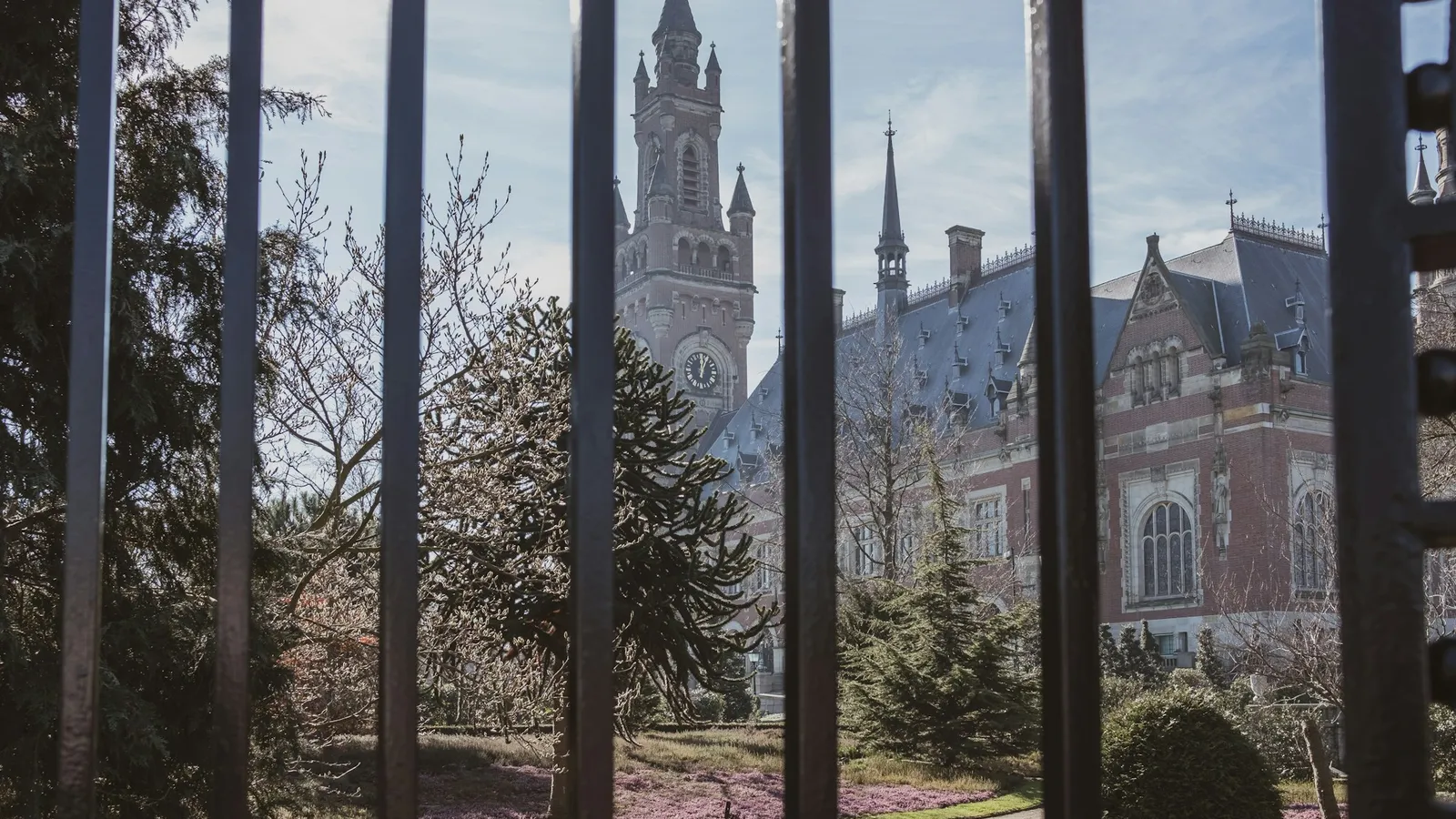
On July 23, 2025, the International Court of Justice, the main court of the United Nations, delivered its advisory opinion on the obligations of states in respect of climate change. The fifteen judges adopted it unanimously. According to the Court, that has happened only five times in its history of almost eighty years.
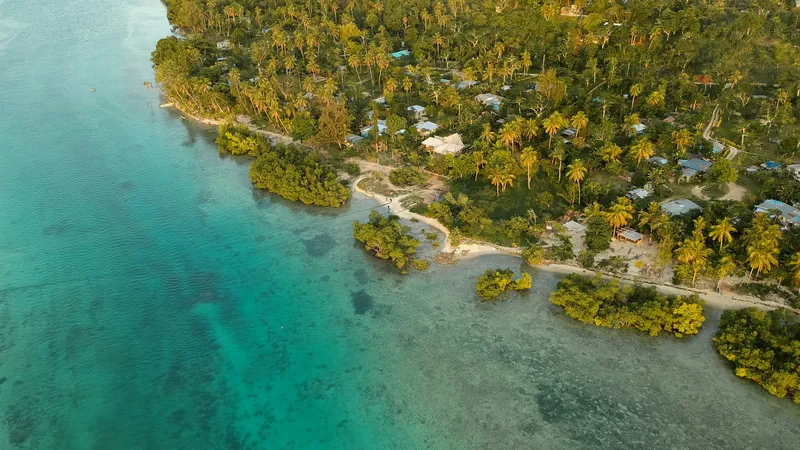
The case exists because of Vanuatu. A small island nation in the South Pacific spent six years assembling the votes, the legal arguments and the coalition needed to put the question before the world's highest court. Today it received a clear answer.
From a classroom to The Hague
The idea began in 2019 with a group of 27 law students at the University of the South Pacific's campus in Port Vila, Vanuatu's capital. They called themselves Pacific Island Students Fighting Climate Change and went looking for a government willing to take the question to an international court. Ralph Regenvanu, then Vanuatu's foreign minister, agreed to meet them, and Vanuatu took up the cause.
Only certain United Nations bodies can ask the Court for an advisory opinion, which is a formal statement of what international law requires, as opposed to a ruling in a dispute between two countries. Vanuatu therefore had to persuade the UN General Assembly, where every member state has a vote. It brought the Pacific Islands Forum on board, worked with a core group of 18 countries from every region, and on March 29, 2023 the General Assembly adopted resolution 77/276 by consensus, meaning without a vote being called. More than 130 countries cosponsored it.
The response showed how far the campaign had travelled. The Court received 91 written statements, and in December 2024 it heard oral arguments from 96 states and 11 international organisations. The Court says that is the highest participation in any case it or its predecessor has ever heard.
What the Court said
The General Assembly asked two questions: what states must do under international law to protect the climate system, and what follows when they fail. The Court's answers were broad.
- Binding treaty duties. The UN climate treaties, including the 2015 Paris Agreement, create binding obligations. Countries must set successive national climate plans that, taken together, are capable of limiting warming to 1.5 degrees Celsius above pre industrial levels.
- Duties beyond the treaties. Customary international law, the unwritten rules all states are bound by, requires countries to act with due diligence to prevent significant harm to the climate system, which includes regulating private companies.
- Human rights. States have human rights obligations to protect the climate. Judge Yuji Iwasawa, who read the opinion, said a clean, healthy and sustainable environment is essential for the enjoyment of other human rights.
- Consequences. A breach is an internationally wrongful act, the legal term for conduct that makes a state responsible under international law. The Court listed fossil fuel production and consumption, exploration licences and subsidies as examples of conduct that may amount to one, and said injured states may be entitled to full reparation where the harm can be causally linked.
An advisory opinion is not binding in the way a judgment between two parties is. It does, however, carry the authority of the Court, and lawyers expect courts and negotiators around the world to rely on it.
Why it matters for Vanuatu's standing
Vanuatu produces a tiny fraction of global emissions, yet it set the agenda for one of the most significant cases the Court has heard. Regenvanu, now Minister for Climate Change, told reporters the outcome was better than Vanuatu had expected and would give the country far more leverage in negotiations with large emitters. Vanuatu has said it intends to take the opinion back to the General Assembly and seek a resolution supporting its implementation.
For a small state, influence of this kind is hard won. Getting a consensus resolution, building a cross regional coalition and arguing a case of this size before the Court takes years of patient diplomacy. Vanuatu has shown it can do all three, and its ministers will arrive at future UN and climate meetings with considerably more weight than before.
What it means if you hold or are considering Vanuatu citizenship
A passport is shaped by more than its visa free list. The reputation and relationships of the issuing country matter too, and Vanuatu has spent much of the past two years repairing its image after the European Union removed it from the Schengen visa free list over its citizenship programs. Today's result shows a different side of the country: a capable, respected voice in international law.
It is worth being precise about what does not change. The opinion has no effect on visa rules, so Vanuatu passport holders still need visas for the Schengen area and the United Kingdom. The citizenship program itself is unaffected, with the Development Support Program starting from a US$130,000 contribution for a single applicant, no residence requirement and no personal income tax in Vanuatu.
For people who value a fast second citizenship from a stable democracy that punches above its weight diplomatically, this is a welcome development. We help clients apply through authorised channels, work with our local team, and quote fixed fees in writing.
This article is general information, not legal, tax or investment advice.